
How Do You Make a Small Batch of Gingerbread Cookies?
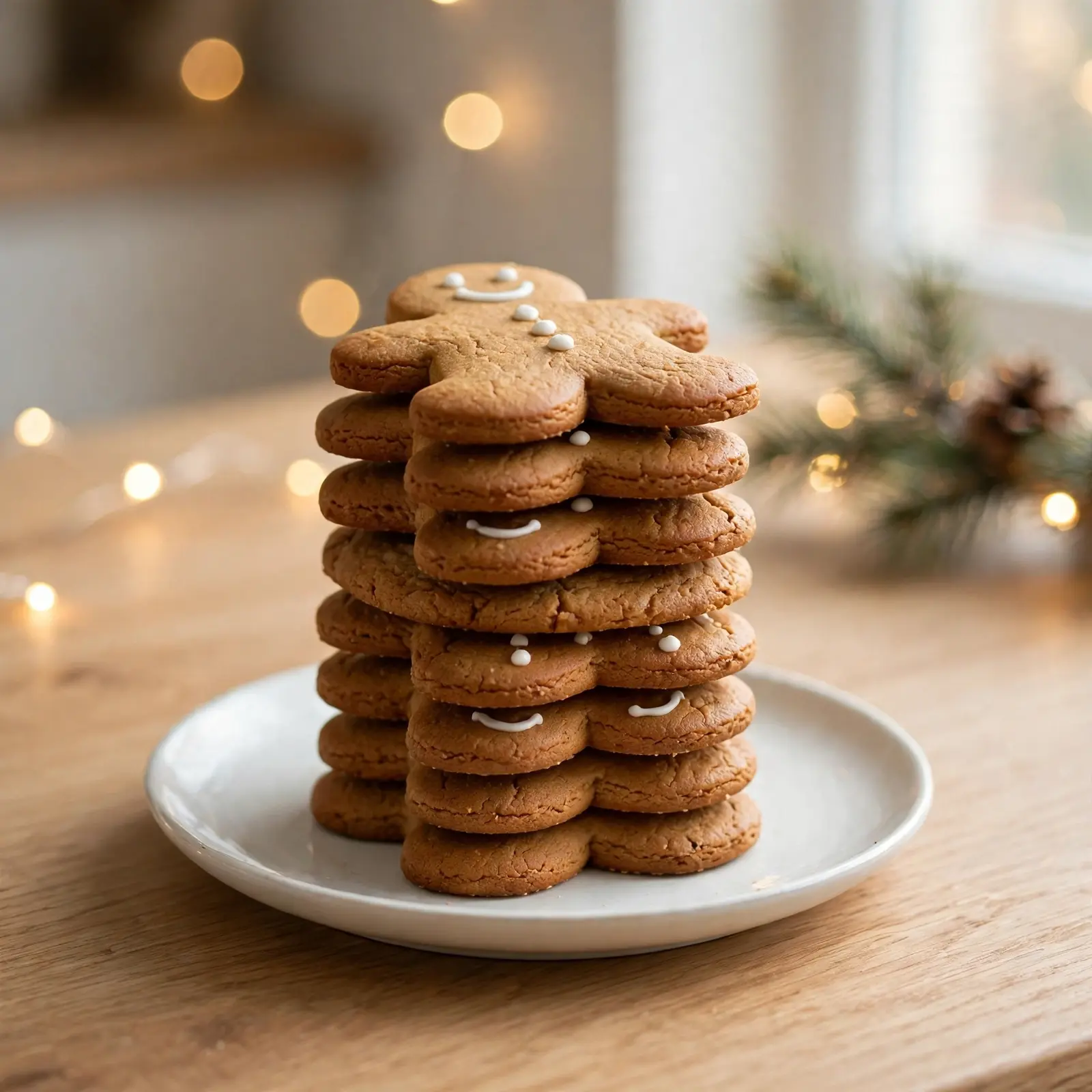
Short answer: You make small batch gingerbread cookies exactly like the big batch, just scaled down to one third: one small bowl of dough, 1 egg yolk instead of a whole egg, a 30 minute chill, and a quick 8 to 10 minute bake at 350°F (177°C). You get about 8 soft, thick cookies with the same deep molasses and spice flavor, and nothing left over to go stale.
Sometimes you do not want two dozen gingerbread men marching across your counter. You want a few. Enough for tonight, maybe one for a neighbor, and none sitting in a tin all week losing their softness.
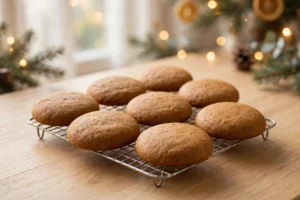
That is exactly what this small batch is for. It is the same dough as my full-size soft gingerbread cookies, measured down to one small bowl. The spices stay bold, the molasses stays generous, and the cookies still come out thick and soft in the middle. The only thing that shrinks is the pile of washing up.
Stay with me until the recipe card, because there is one small yolk trick that keeps a tiny batch rich instead of lean, plus how to freeze half the dough so a second mini batch is ready whenever you are.
J. ZaiB Micro-Tip: Weigh the flour if you can. In a small batch, one packed scoop can throw the whole ratio off, and extra flour is the number one reason gingerbread turns out dry.
Ingredients You Need (With Grams)
- 1 1/4 cups (150 g) all-purpose flour, plus more for rolling
- 1/3 teaspoon baking soda
- 1/8 teaspoon fine salt, plus a pinch
- 1 teaspoon ground ginger
- 1 teaspoon ground cinnamon
- 1/8 teaspoon ground allspice
- Pinch of ground cloves
- 3 tablespoons plus 1 teaspoon (47 g) unsalted butter, softened to room temperature
- 1/4 cup (50 g) dark brown sugar, packed
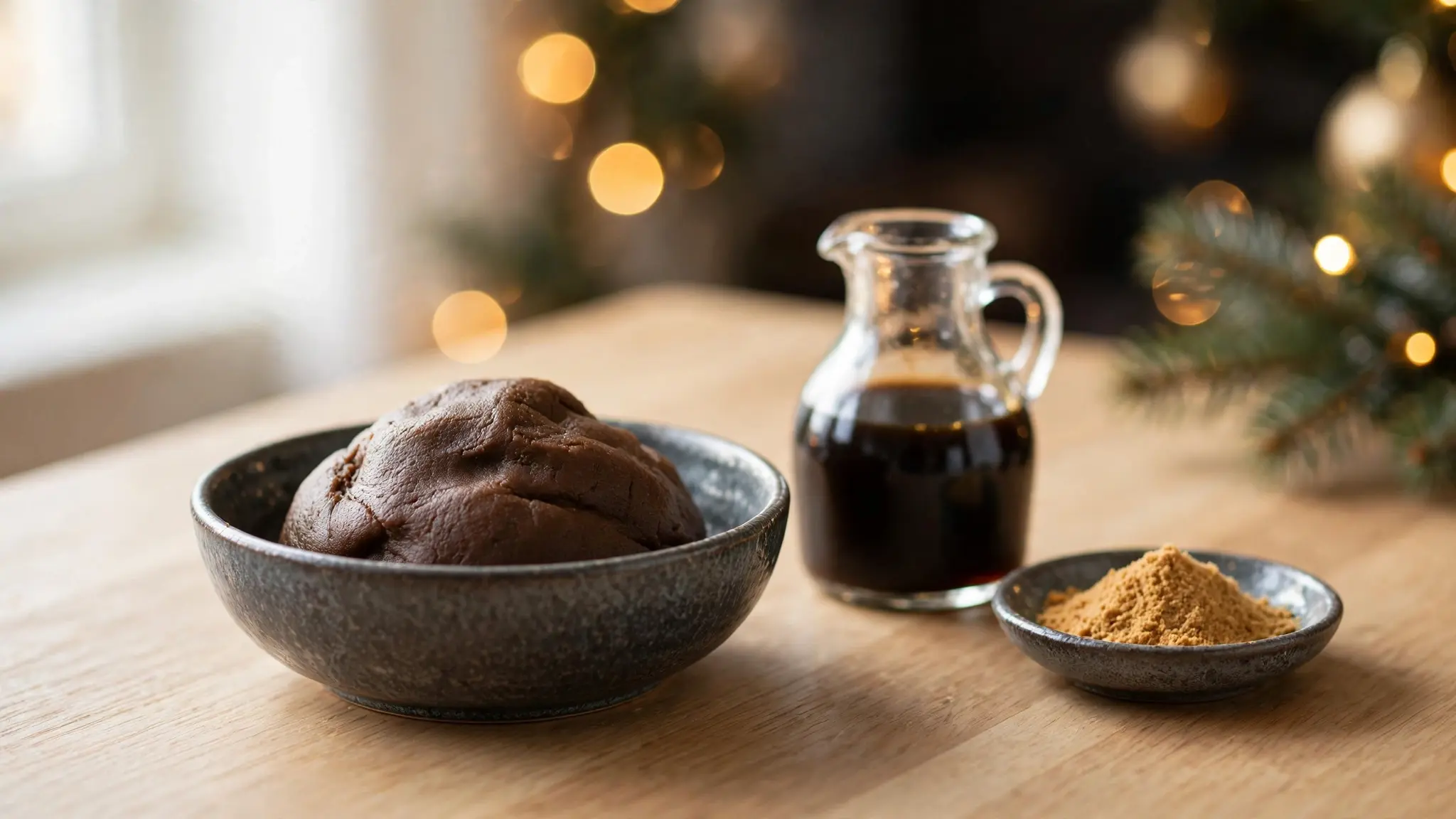
- 3 1/2 tablespoons (75 g) unsulphured molasses, NOT blackstrap
- 1 large egg yolk, at room temperature
- 1/2 teaspoon pure vanilla extract
Why these amounts work (the science, kept simple)
- One egg yolk, no white. A third of an egg is impossible to measure, and the white would make this tiny dough wet and tough. The yolk alone gives the richness and binding of a whole egg in the big batch, in exactly the right amount for 8 cookies. Use the leftover white in tomorrow’s omelet or scrambled eggs.
- Molasses stays generous. It is the moisture keeper in gingerbread. It pulls water in and holds it, which is why these cookies stay soft on day two and three. Blackstrap is too bitter here, so skip it.
- The spice ratio does not shrink in flavor. A full teaspoon each of ginger and cinnamon in this small bowl matches the bold spice of the big batch. Gingerbread should taste like gingerbread.
- Baking soda gives a gentle lift so the centers stay puffy and soft instead of dense.
How to Make Small Batch Gingerbread Cookies (Step by Step)
- Whisk the dry ingredients. In your small bowl, whisk the flour, baking soda, salt, ginger, cinnamon, allspice, and cloves.
- Beat the butter and sugar. In a second small bowl, or the same one after you tip the flour mix onto a plate, beat the softened butter and dark brown sugar for about 1 minute, until light and fluffy. A hand mixer or a sturdy fork both work at this size.
- Add the wet ingredients, then combine. Beat in the molasses until smooth, then the egg yolk and vanilla. Add the dry ingredients and mix only until no flour streaks remain. The dough will be soft and sticky. That sticky dough is exactly right.
- Chill the dough. Flatten the dough into one small disc, wrap it well, and refrigerate for at least 30 minutes, or up to 2 days. Do not skip this. Cold dough is what keeps the shapes sharp, even in a small batch.
- Roll it thick. On a floured surface, roll the disc to a full 1/4 inch thick. Thin dough makes crisp cookies. Thick dough makes soft cookies.
- Cut your shapes and chill them. Cut with floured cutters, about 3 1/2 inch shapes, and place the cookies 1 inch apart on a parchment-lined baking sheet. You should get about 8. Put the whole tray in the fridge or freezer for 10 minutes while the oven heats to 350°F (177°C). Cold shapes going into a hot oven spread far less.
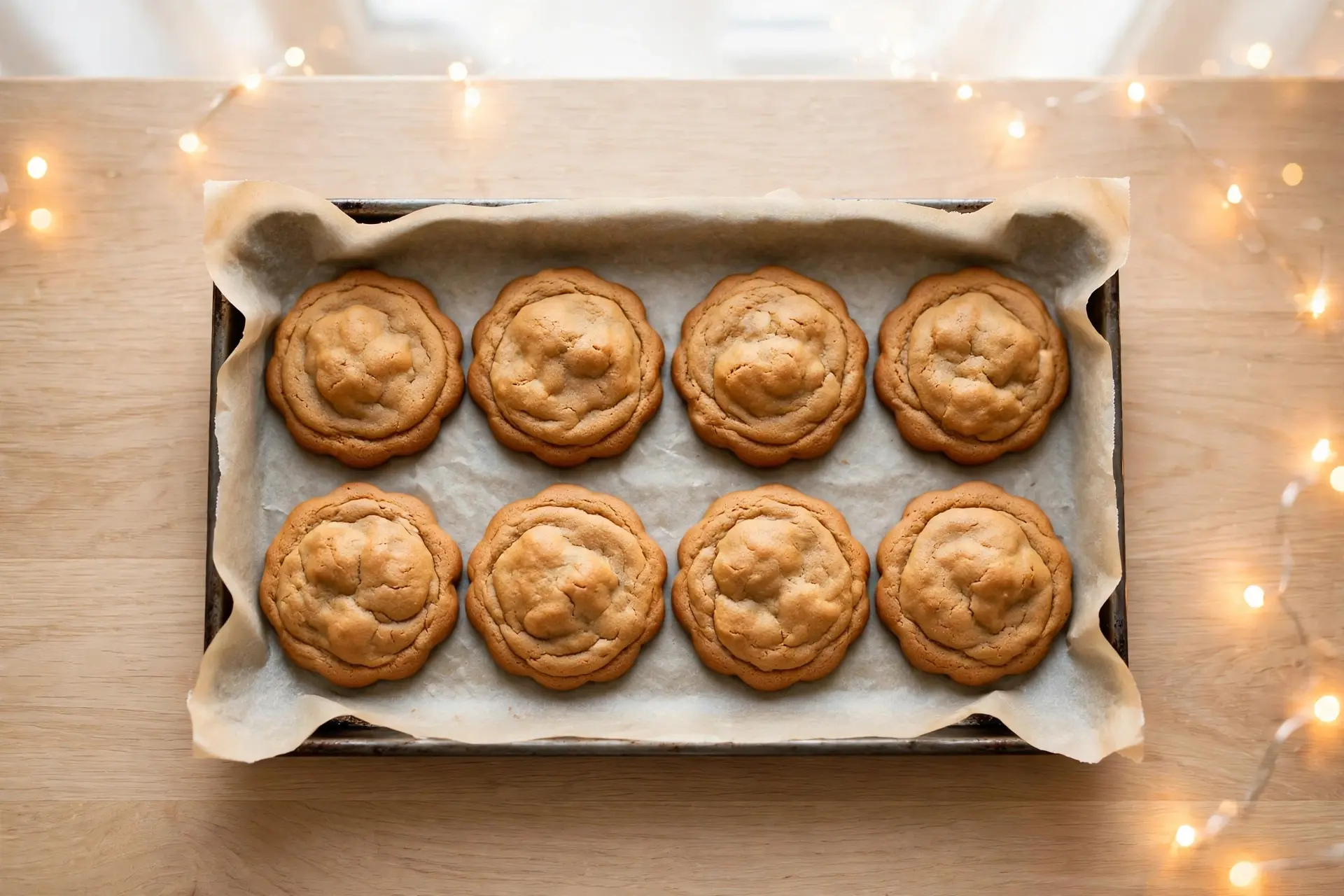
- Bake 8 to 10 minutes. The edges should look set and the centers should still look soft and slightly puffy. They will not look fully done. Take them out anyway. This is the step that decides soft versus hard.
- Cool. Cool on the tray for 5 minutes, then move to a rack. Decorate only when fully cool, or the icing melts and slides.
J. ZaiB Micro-Tip: Roll the dough between two sheets of parchment and you will need almost no extra flour. In a batch this small, every extra spoonful of flour counts double.
The Easy Icing, Scaled Down
A small batch needs a small bowl of icing, not a full recipe of it:
- 2/3 cup (80 g) powdered sugar, sifted
- 2 to 3 teaspoons milk
- 1/8 teaspoon vanilla extract
- Tiny pinch of salt
Whisk until thick and smooth. It should fall off the spoon in a slow ribbon. Spoon into a piping bag or a small zip bag with the corner snipped. For outlining, keep it thick. For flooding, add milk a few drops at a time. Let decorated cookies set uncovered for about 2 hours before stacking.

Variations for a Small Batch
- Want the full two dozen instead? This dough is one third of my main recipe. For the complete batch with the full-size icing and every variation, make the Soft Gingerbread Cookies instead, which roll out 24 cookies from the same dough.
- Freeze half the dough. Split the disc in two before chilling. Wrap one half well and freeze it for up to 3 months. Thaw it overnight in the fridge, then roll, cut, and bake 4 fresh cookies whenever the craving hits.
- No molasses? Swap in honey, maple syrup, or dark corn syrup, measured 1:1 (3 1/2 tablespoons). The cookies come out lighter in color and a little milder. Add 1 extra teaspoon of dark brown sugar and a pinch more ginger to bring the deep flavor back.
- Drop cookies instead of cut-outs. Skip the rolling. Scoop the chilled dough into 8 balls, place them on the tray, and bake the same way. They will be round, soft, and a little rustic, and nobody will mind.
Substitutions That Work
- Butter: salted butter works; just leave out the pinch of salt. A plant-based butter stick also works for a dairy-free batch.
- Flour: a 1:1 gluten-free baking blend can replace the all-purpose flour. The dough is a little more delicate, so chill it the full time.
- Spices: 2 teaspoons of pumpkin pie spice can stand in for the ginger, cinnamon, allspice, and cloves, but add 1/2 extra teaspoon of ginger so it still tastes like gingerbread.
- Egg yolk: for an eggless mini batch, whisk 1 teaspoon ground flaxseed with 1 tablespoon water and rest it 10 minutes until it gels, then use it in place of the yolk.
Need a swap for something else in your kitchen? Try the free Ingredient Substitution Calculator before you start baking.
How to Store, Freeze, and Make Ahead
- Room temperature: the cookies keep in an airtight container for up to 1 week. A small piece of soft bread in the container keeps them softer for longer.
- Freeze baked cookies: freeze undecorated cookies in a sealed container for up to 3 months. Thaw at room temperature, then decorate.
- Freeze the dough: the wrapped disc freezes for up to 3 months. Thaw overnight in the fridge before rolling.
- Make ahead: the disc keeps in the fridge for up to 2 days, so you can mix it tonight and bake tomorrow with zero fuss.
Small Batch Gingerbread Cookies
Ingredients
Equipment
Method
- Whisk the dry ingredients. In a small bowl, whisk the flour, baking soda, salt, ginger, cinnamon, allspice, and cloves.
- Beat the butter and sugar. Beat the softened butter and dark brown sugar for about 1 minute, until light and fluffy.

- Add the wet ingredients and combine. Beat in the molasses, then the egg yolk and vanilla. Add the dry ingredients and mix only until no flour streaks remain. The dough will be soft and sticky.
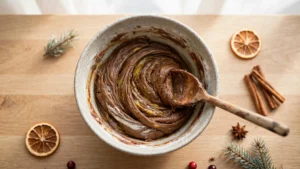
- Chill the dough. Flatten the dough into one small disc, wrap well, and refrigerate at least 30 minutes or up to 2 days.
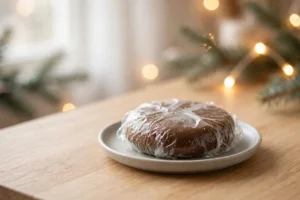
- Roll it thick. Roll the disc to a full 1/4 inch thick on a floured surface.
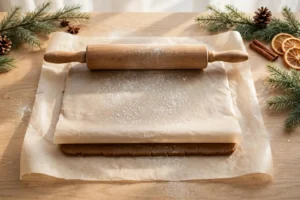
- Cut and chill the shapes. Cut about 3 1/2 inch shapes, place 1 inch apart on a parchment-lined baking sheet (about 8 cookies), and chill the tray 10 minutes while the oven heats to 350°F (177°C).
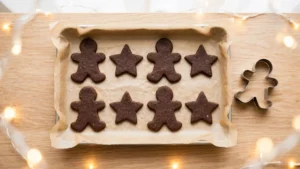
- Bake 8 to 10 minutes at 350°F (177°C), until the edges look set and the centers still look soft and slightly puffy.

- Cool on the tray 5 minutes, then move to a rack and cool completely before decorating.
- Whisk the powdered sugar, milk, vanilla, and salt until thick and smooth, then pipe or spread on the cooled cookies. Let set about 2 hours before stacking.

Notes
- A small piece of soft bread in the container keeps the cookies softer for longer.
- Freeze half the dough: split the disc in two before chilling, wrap one half well, and freeze it for up to 3 months. Thaw overnight in the fridge, then roll, cut, and bake 4 fresh cookies.
- No molasses? Swap in honey, maple syrup, or dark corn syrup, measured 1:1 (3 1/2 tablespoons). The cookies come out lighter in color and a little milder. Add 1 extra teaspoon of dark brown sugar and a pinch more ginger to bring the deep flavor back.
- For an eggless mini batch, whisk 1 teaspoon ground flaxseed with 1 tablespoon water and rest it 10 minutes until it gels, then use it in place of the yolk.
Nutrition
These values are a calculated estimate, per cookie (8 cookies), undecorated.
| Calories | 170 kcal |
| Total fat | 6 g |
| Saturated fat | 3 g |
| Cholesterol | 35 mg |
| Sodium | 95 mg |
| Total carbs | 27 g |
| Fiber | 1 g |
| Sugars | 11 g |
| Protein | 2 g |
Values are estimates, calculated from the ingredient list for one undecorated cookie. Icing adds a small amount of sugar per cookie.
Frequently Asked Questions
How long should you chill gingerbread dough?
For this small batch, at least 30 minutes. The disc is small and thin, so it chills through faster than the big batch, which needs 3 hours. Overnight is fine too, and the wrapped disc keeps up to 2 days in the fridge or 3 months in the freezer. Still chill the cut shapes for 10 minutes before baking so they hold their edges.
How do I keep my gingerbread cookies from spreading?
Chill the dough for at least 30 minutes, then chill the cut shapes on the tray for 10 minutes before baking. Measure the flour by weight if you can, roll a full 1/4 inch thick, and bake on parchment at 350°F (177°C). Warm dough is the main cause of spreading, and a small batch warms up fast, so work quickly.
How do I tell if my gingerbread cookies are done?
The edges look set while the centers still look soft and slightly puffy, after 8 to 10 minutes at 350°F (177°C). They firm up as they cool, so do not wait for them to look hard in the oven. That early pull is what keeps a small batch soft instead of snappy.
What can I use instead of molasses in gingerbread cookies?
Honey, maple syrup, or dark corn syrup, measured 1:1. In this batch that is 3 1/2 tablespoons. Add 1 extra teaspoon of dark brown sugar and a pinch more ginger to bring back the deep flavor, and expect a lighter color.
Can you use honey instead of molasses in gingerbread cookies?
Yes, use the same amount, 3 1/2 tablespoons here. The cookies come out lighter in color and gentler in flavor, and the extra sugar and ginger trick from the answer above brings the classic taste back.
What are common mistakes in making ginger cookies?
Skipping the chill, rolling the dough too thin, baking too long, adding too much flour, and using blackstrap molasses, which turns the cookies bitter. In a small batch there is one more: using a whole egg instead of just the yolk, which makes the tiny dough wet and the cookies tough.
Do you flatten ginger cookies before baking?
Not these. Flattening is for scooped drop cookies. Cut-out gingerbread keeps its rolled 1/4 inch thickness, which is what keeps it soft. If you make the drop cookie variation above, a gentle press with the bottom of a glass is fine.
Is it better to cut gingerbread before or after baking?
Before. The cold dough cuts clean shapes, while cutting after baking crumbles the edges and ruins the outline. With a small batch this matters even more, because every one of the 8 cookies counts.
Eight cookies, one small bowl, and the whole house still smells like Christmas. If a mini batch becomes a habit at your place, the Easy Christmas Cookies collection has more small, festive bakes to try next.