
Why Do Gingerbread Cookies Turn Out Hard, Dry, or Spread Flat?
Three small things cause almost every failed batch: the dough was not chilled long enough, the cookies were rolled too thin, or they stayed in the oven two minutes too long. This recipe fixes all three. The dough chills twice, the cookies roll a full 1/4 inch thick, and they come out while the centers still look soft. That is the whole secret to gingerbread cookies that stay soft for days and keep their shape.
A gingerbread man should bend a little before he breaks. If yours snap like crackers, lose their arms in the oven, or come out so hard you need tea just to bite them, it is not your fault. Most recipes send you in with warm dough, a thin roll, and a bake time meant for crisp cookies.
This version is built the other way. Brown sugar and a generous pour of molasses keep the crumb moist. A double chill keeps every arm, button, and reindeer antler exactly where you cut it. And the bake stops early, while the centers still look slightly underdone, because the cookies finish setting on the hot tray.
Stay with me until the recipe card, because the two-minute trick that keeps these soft for a week is waiting there, plus what to do if you have no molasses, no eggs, or only an air fryer.

J. ZaiB Micro-Tip: Weigh your flour if you can. One packed cup can hold 30 extra grams, and that extra flour is the number one reason gingerbread turns out dry.
Ingredients You Need (With Grams)
- 3 1/2 cups (440 g) all-purpose flour, plus more for rolling
- 1 teaspoon baking soda
- 1/2 teaspoon fine salt
- 1 tablespoon ground ginger
- 1 tablespoon ground cinnamon
- 1/2 teaspoon ground allspice
- 1/4 teaspoon ground cloves
- 10 tablespoons (142 g) unsalted butter, softened to room temperature
- 3/4 cup (150 g) dark brown sugar, packed
- 2/3 cup (160 ml / 226 g) unsulphured molasses, NOT blackstrap
- 1 large egg, at room temperature
- 1 1/2 teaspoons pure vanilla extract
Why These Ingredients Work
Molasses is the moisture keeper. It pulls water in and holds it, which is why these cookies stay soft on day three. Blackstrap is too bitter and dry here, so skip it.
Dark brown sugar adds a second layer of molasses flavor and more moisture than white sugar.
A full tablespoon each of ginger and cinnamon sounds like a lot. It is not. Gingerbread should taste like gingerbread, and the spices mellow as the cookies bake and rest.
Baking soda gives a gentle lift so the centers stay puffy and soft instead of dense.
How to Make Soft Gingerbread Cookies (Step by Step)
- Whisk the dry ingredients. In a medium bowl, whisk the flour, baking soda, salt, ginger, cinnamon, allspice, and cloves.

- Beat the butter and sugar. In a large bowl, beat the softened butter and dark brown sugar for about 2 minutes, until light and fluffy.
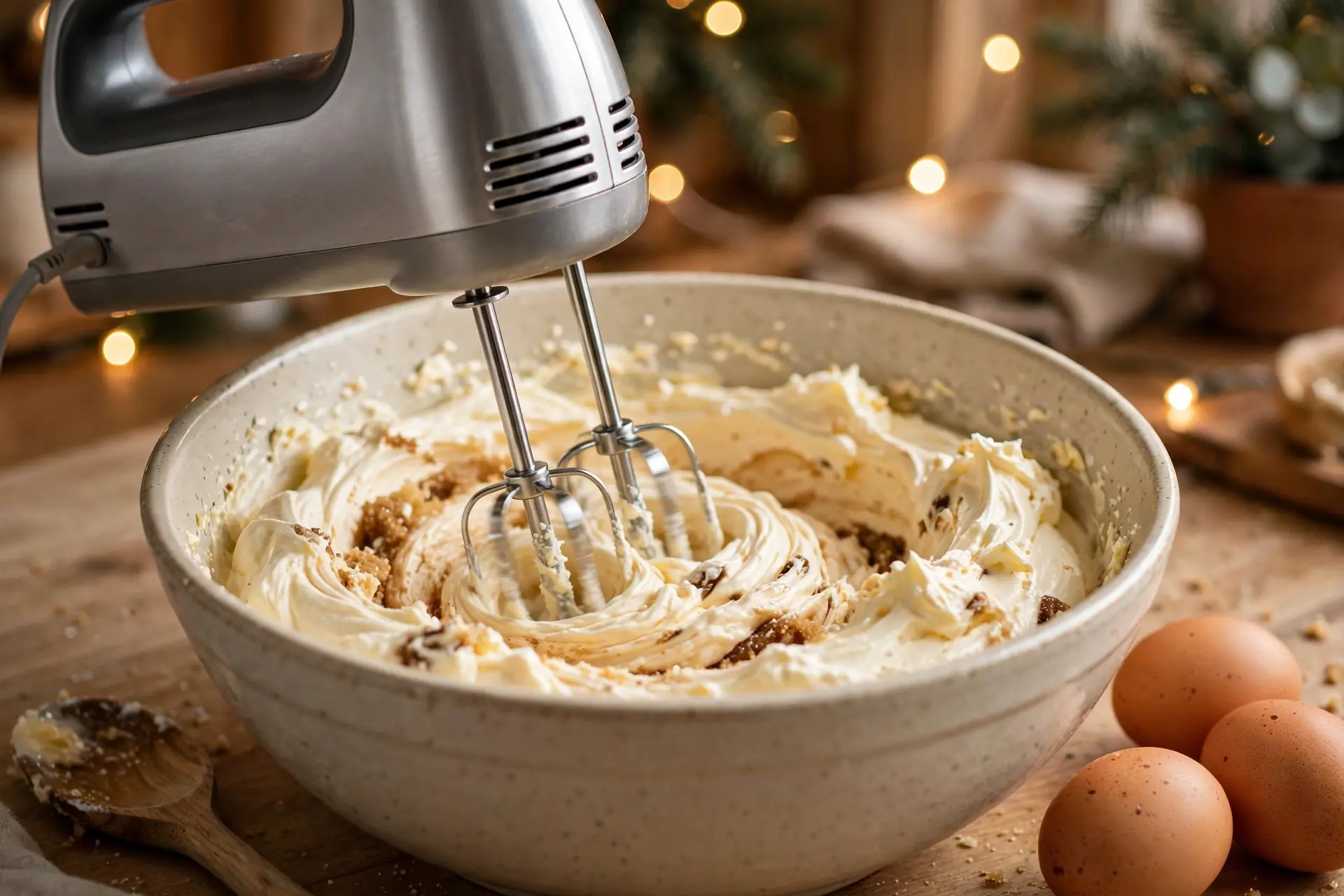
- Add the wet ingredients. Beat in the molasses until smooth, then the egg and vanilla. The mixture may look a little curdled. That is normal.

- Combine. Add the dry ingredients on low speed and mix only until no flour streaks remain. The dough will be soft and sticky. That sticky dough is exactly right.
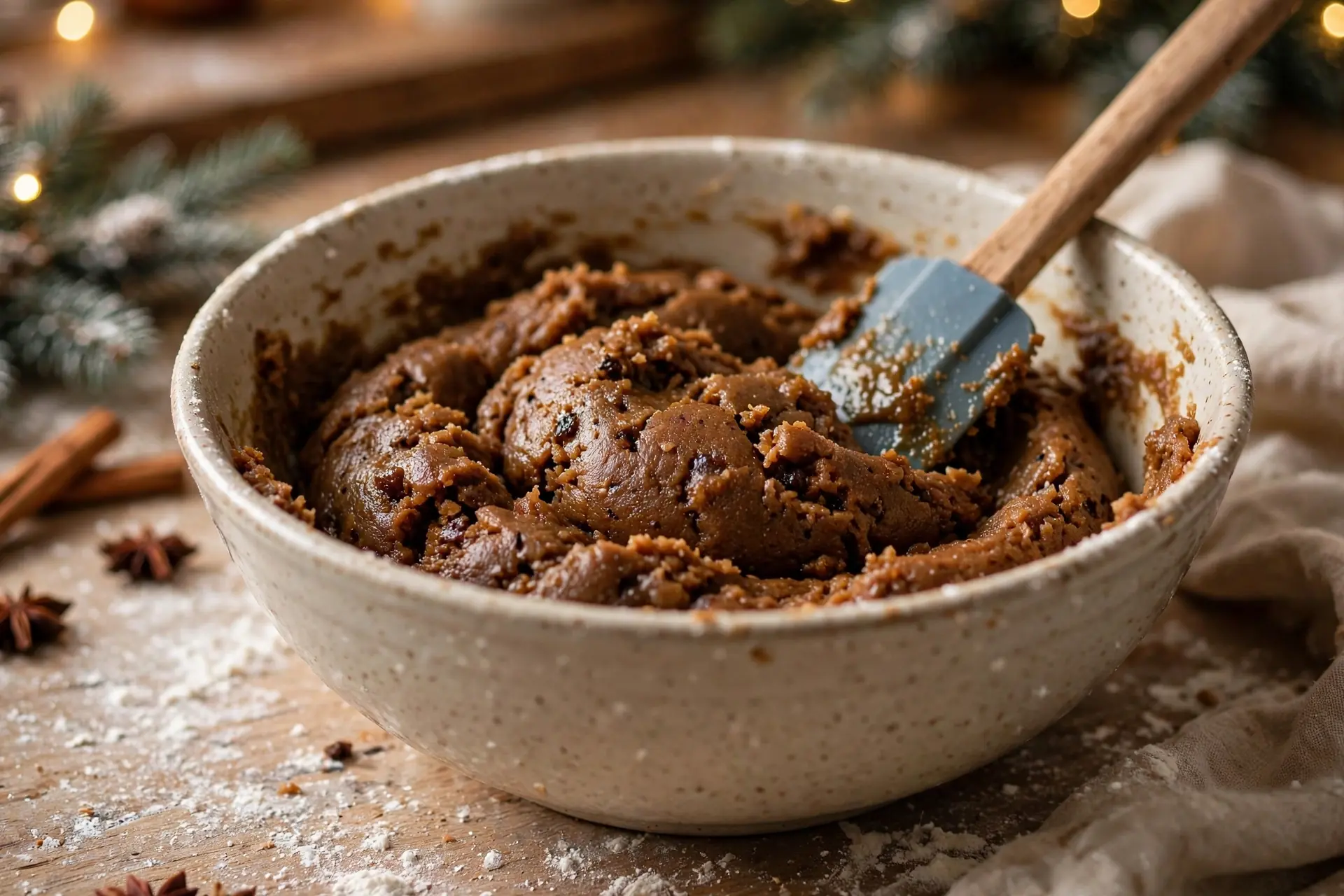
- Chill the dough (first chill). Divide the dough in half, flatten each half into a disc, wrap well, and refrigerate at least 3 hours, or overnight (up to 3 days). Do not skip this. Cold dough is what keeps the shapes sharp.

- Roll it thick. On a floured surface, roll one disc to a full 1/4 inch thick. Thin dough makes crisp cookies. Thick dough makes soft cookies.
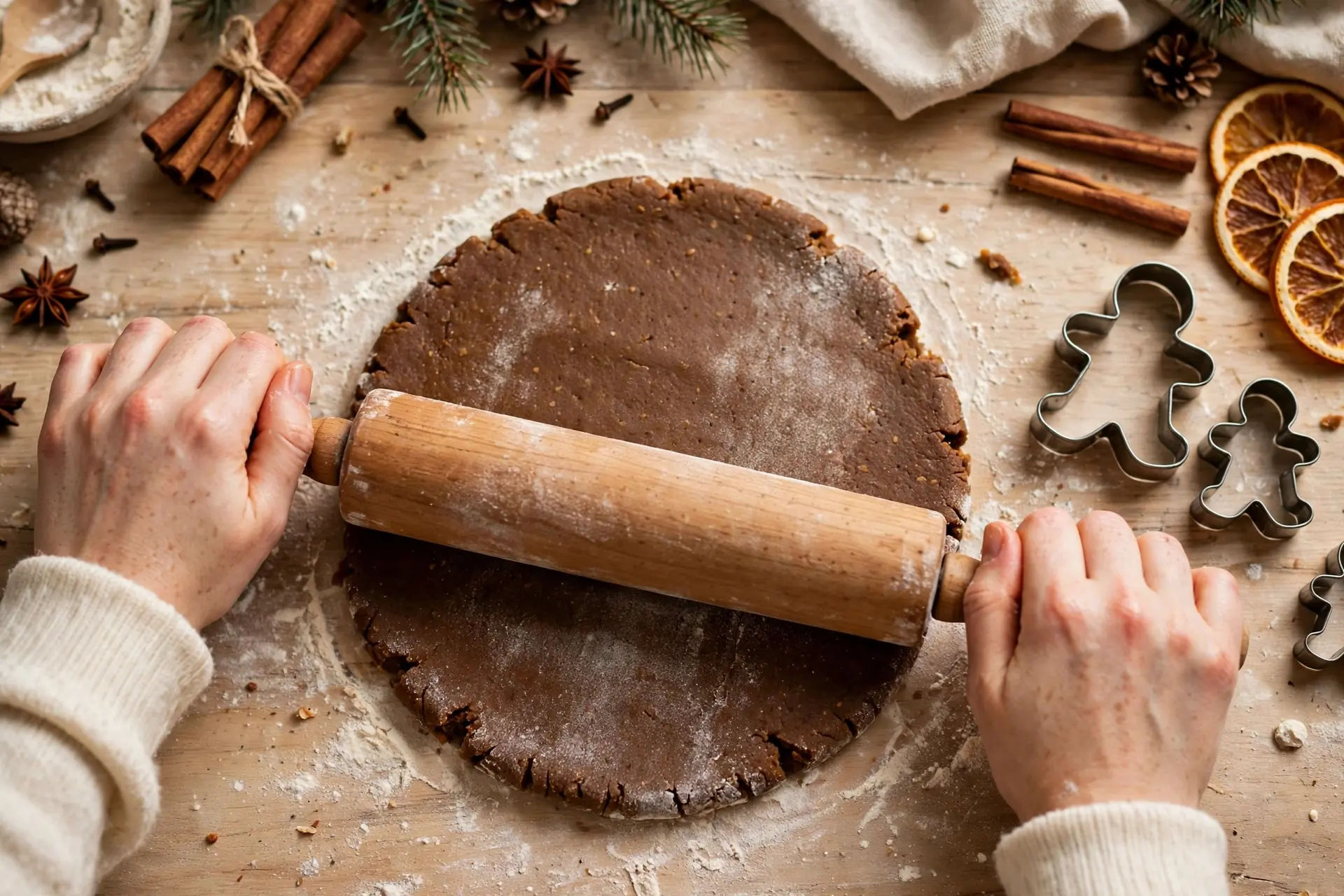
- Cut your shapes. Cut with floured cutters and place the cookies 1 inch apart on parchment-lined baking sheets.
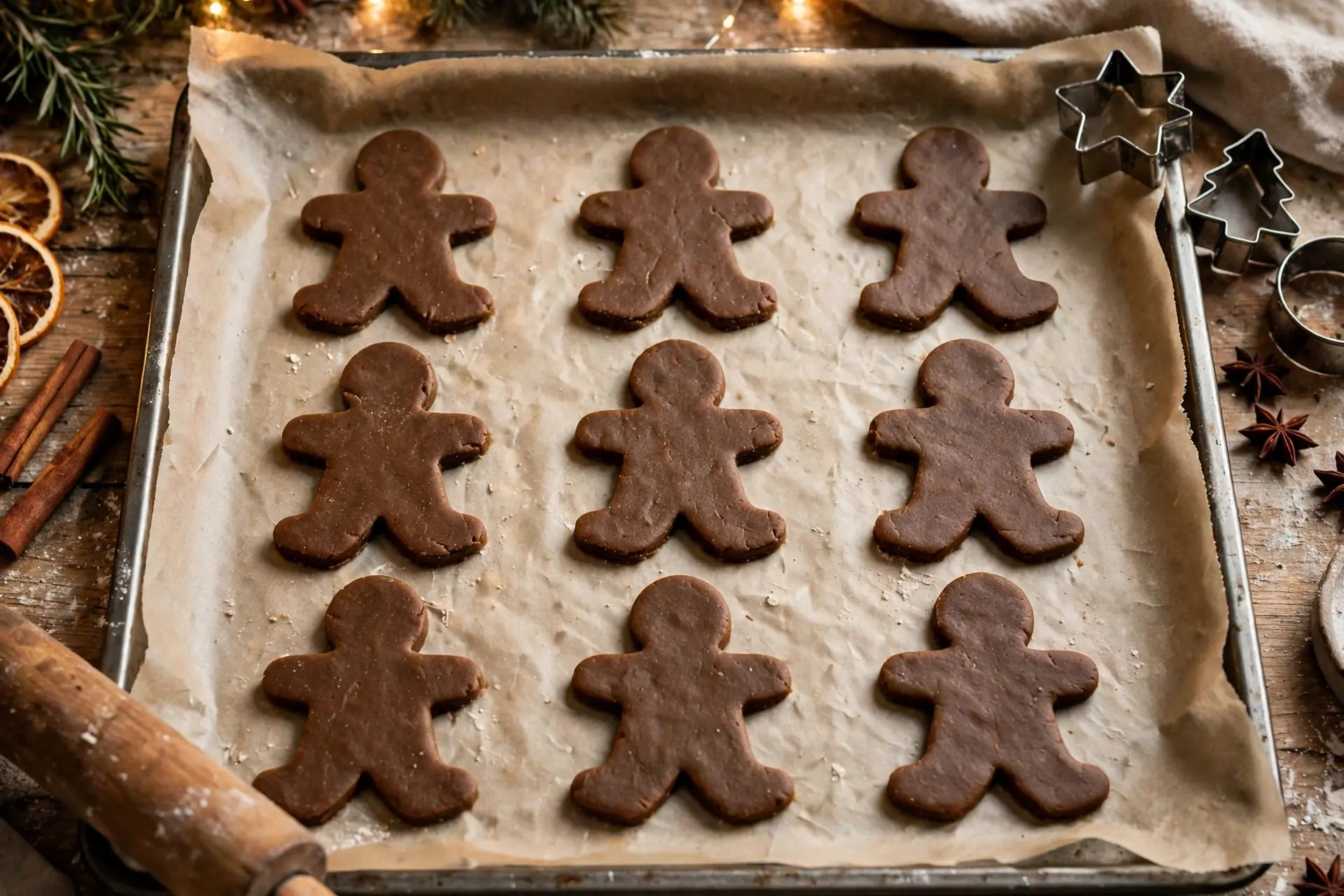
- Chill the shapes (second chill, the no-spread secret). Put the whole tray in the fridge or freezer for 10 to 15 minutes while the oven heats to 350°F (177°C). Cold shapes going into a hot oven spread far less.
- Bake 9 to 11 minutes. The edges should look set and the centers should still look soft and slightly puffy. They will not look fully done. Take them out anyway. This is the step that decides soft versus hard.
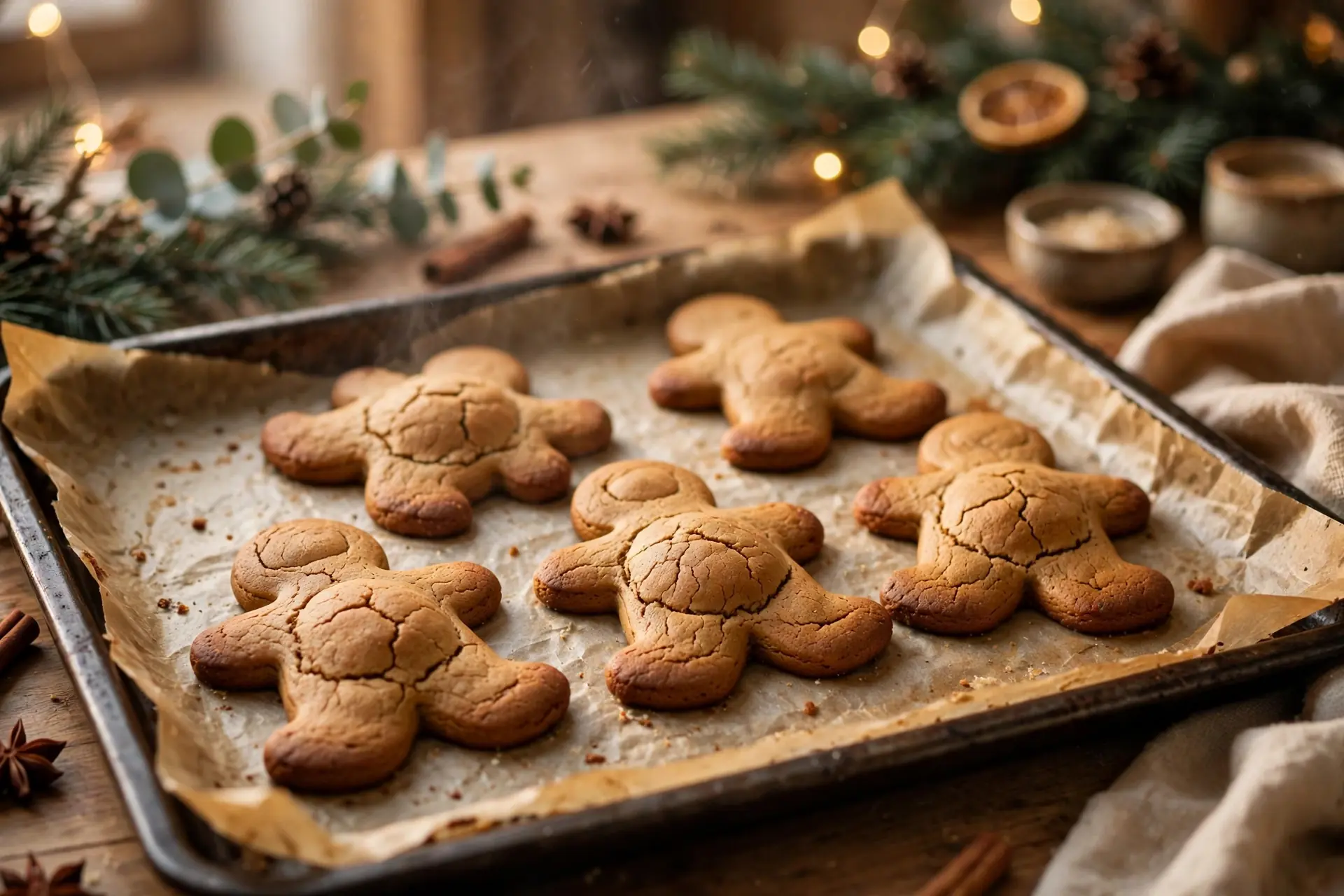
- Cool, then decorate. Cool on the tray for 5 minutes, move to a rack, and decorate only when fully cool, or the icing melts and slides.

J. ZaiB Micro-Tip: Roll between two sheets of parchment and you will need almost no extra flour. Less extra flour means softer cookies.
The Easy Icing (Included, No Extra Click Needed)
Most sites send you to a second recipe for icing. Here it is, in the same place:
- 2 cups (240 g) powdered sugar, sifted
- 2 to 3 tablespoons milk
- 1/2 teaspoon vanilla extract
- Pinch of salt
Whisk until thick and smooth. It should fall off the spoon in a slow ribbon. Spoon into a piping bag or a zip bag with the corner snipped. For outlining, keep it thick. For flooding, add milk a few drops at a time. Let decorated cookies set uncovered for about 2 hours before stacking.
Want the classic hard finish instead? Whisk 2 cups (240 g) powdered sugar with 2 tablespoons meringue powder and 4 to 5 tablespoons warm water until it holds stiff peaks. That is royal icing, and it dries firm enough for stacking and gifting.
Free Printable Decorating Template
New to decorating? Print this template and practice your lines on paper first. It is the cheapest way to get clean smiles and buttons on the real cookies.

No Molasses? Use This Instead
No molasses in the pantry is the most common gingerbread emergency, so here is the full fix, not a footnote:
- Best swap: honey, maple syrup, or dark corn syrup, measured 1:1 (2/3 cup / 160 ml).
- What changes: the cookies come out lighter in color and a little milder. Add 1 extra tablespoon of dark brown sugar and 1/2 teaspoon extra ginger to bring the deep flavor back.
- What not to use: blackstrap molasses as the main sweetener (too bitter), or granulated sugar alone (the cookies lose their softness and their color).
Eggless? Read This Before You Start
This dough works with a flax egg: whisk 1 tablespoon ground flaxseed with 3 tablespoons water and rest it 10 minutes until it gels, then use it in place of the egg. The cookies stay soft and hold their shape. A full eggless version of this recipe is coming as its own article very soon.
Air Fryer Gingerbread Cookies
- Line the basket with parchment cut to size. Work in small batches so the cookies have room.
- Air fry at 320°F (160°C) for 6 to 8 minutes, until the edges are set and the centers look soft.
- Rest 5 minutes in the basket before moving them. They are fragile while hot.
Troubleshooting: Fix Every Gingerbread Problem
- Cookies spread and lost their shape: the dough or the cut shapes were too warm. Chill longer, chill the cut tray, and check that your baking soda is fresh.
- Cookies are hard and snappy: they baked too long or were rolled too thin. Pull them when the centers still look soft, and roll a full 1/4 inch.
- Cookies cracked on top: the dough was too dry (too much flour) or too cold when it went into the oven. Let the disc sit at room temperature for 10 minutes before rolling, and spoon and level your flour.
- Dough cracks while rolling: it is too cold or too dry. Knead it gently with warm hands for 20 seconds and roll again.
- Flavor is bland: the spices are old, or the molasses was swapped without adding the extra sugar and ginger from the section above.
- Bottoms are too dark: your oven runs hot or the tray is thin and dark. Use a light-colored tray and move the rack to the middle.
Substitutions That Work
- Butter: salted butter works; just cut the added salt to a pinch. A plant-based butter stick also works for a dairy-free batch.
- Flour: a 1:1 gluten-free baking blend can replace the all-purpose flour. The dough is a little more delicate, so chill it the full time.
- Spices: 2 tablespoons of pumpkin pie spice can stand in for the ginger, cinnamon, allspice, and cloves, but add 1 extra teaspoon of ginger so it still tastes like gingerbread.
- Egg: see the flax egg in the Eggless section above.
Need a swap for something else in your kitchen? Try the free Ingredient Substitution Calculator.
How to Store, Freeze, and Make Ahead
- Room temperature: undecorated or decorated cookies keep in an airtight container for up to 1 week. A slice of soft bread in the container keeps them softer for longer. That is the two-minute trick from the intro.
- Freeze baked cookies: freeze undecorated cookies in a sealed container for up to 3 months. Thaw at room temperature, then decorate.
- Freeze the dough: wrapped discs freeze for up to 3 months. Thaw overnight in the fridge before rolling.
- Make ahead: the dough discs keep in the fridge for up to 3 days, so you can mix on Friday and bake with the kids on Sunday.
Baking for a crowd? These cookies sit proudly on the table next to the rest of the menu in our Christmas Dinner Guide. And if you love a cookie box, our Easy Christmas Cookies belong in the same tin.
Soft Gingerbread Cookies
Ingredients
Method
- Whisk the dry ingredients. In a medium bowl, whisk the flour, baking soda, salt, ginger, cinnamon, allspice, and cloves.

- Beat the butter and sugar. In a large bowl, beat the softened butter and dark brown sugar for about 2 minutes, until light and fluffy.

- Add the wet ingredients. Beat in the molasses until smooth, then the egg and vanilla. The mixture may look a little curdled. That is normal.

- Combine. Add the dry ingredients on low speed and mix only until no flour streaks remain. The dough will be soft and sticky. That sticky dough is exactly right.

- Chill the dough (first chill). Divide the dough in half, flatten each half into a disc, wrap well, and refrigerate at least 3 hours, or overnight (up to 3 days). Do not skip this. Cold dough is what keeps the shapes sharp.
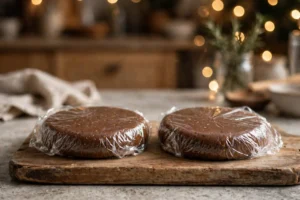
- Roll it thick. On a floured surface, roll one disc to a full 1/4 inch thick. Thin dough makes crisp cookies. Thick dough makes soft cookies.

- Cut your shapes. Cut with floured cutters and place the cookies 1 inch apart on parchment-lined baking sheets.

- Chill the shapes (second chill, the no-spread secret). Put the whole tray in the fridge or freezer for 10 to 15 minutes while the oven heats to 350°F (177°C). Cold shapes going into a hot oven spread far less.
- Bake 9 to 11 minutes. The edges should look set and the centers should still look soft and slightly puffy. They will not look fully done. Take them out anyway. This is the step that decides soft versus hard.

- Cool, then decorate. Cool on the tray for 5 minutes, move to a rack, and decorate only when fully cool, or the icing melts and slides.

- Make the icing: whisk the powdered sugar, milk, vanilla, and salt until thick and smooth, then pipe onto fully cooled cookies.
Notes
Nutrition
Nutrition per cookie, calculated estimate:
| Nutrient | Amount |
|---|---|
| Calories | 163 kcal |
| Total Fat | 5 g |
| Saturated Fat | 3 g |
| Cholesterol | 20 mg |
| Sodium | 105 mg |
| Total Carbohydrates | 28 g |
| Fiber | 1 g |
| Sugars | 13 g |
| Protein | 2 g |
Frequently Asked Questions
Should gingerbread cookies be crunchy or soft?
Both styles are traditional. Crisp gingerbread is rolled thin and baked longer, and it is the kind used for houses. This recipe is the soft kind: a thick 1/4 inch roll, molasses for moisture, and an early pull from the oven.
How do I keep my gingerbread cookies from spreading?
Chill the dough for at least 3 hours, then chill the cut shapes on the tray for 10 to 15 minutes before baking. Measure the flour by weight if you can, and bake on parchment at 350°F (177°C).
How long should you chill gingerbread dough?
At least 3 hours. Overnight is even better, and the wrapped discs keep up to 3 days in the fridge or 3 months in the freezer.
What can I use instead of molasses in gingerbread cookies?
Honey, maple syrup, or dark corn syrup, measured 1:1. Add 1 extra tablespoon of dark brown sugar and 1/2 teaspoon extra ginger to bring back the deep flavor.
Is molasses necessary for gingerbread?
Not strictly. Molasses gives the classic dark color, moisture, and deep flavor, but the swaps above work well. The cookies will be lighter in color and a little milder.
Can you use honey instead of molasses in gingerbread cookies?
Yes, use the same amount. Expect a lighter color and a gentler flavor, and use the extra sugar and ginger trick from the no-molasses section.
How do I tell if my gingerbread cookies are done?
The edges look set while the centers still look soft and slightly puffy, after 9 to 11 minutes at 350°F (177°C). They firm up as they cool, so do not wait for them to look hard in the oven.
What are common mistakes in making ginger cookies?
Skipping the chill, rolling the dough too thin, baking too long, adding too much flour, and using blackstrap molasses, which turns the cookies bitter.
Do you flatten ginger cookies before baking?
Not these. Flattening is for scooped drop cookies. Cut-out gingerbread keeps its rolled thickness, which is what keeps it soft.
Is it better to cut gingerbread before or after baking?
Before. The cold dough cuts clean shapes, while cutting after baking crumbles the edges and ruins the outline.
Soft centers, sharp little arms, and a tin that stays fresh all week. That is Christmas baking done right. If these cookies make it to your table, you are ready for the full spread in our Christmas Dinner Guide.