
What happens if I don’t add eggs to my brownies?
Nothing bad, as long as something else does the egg’s work. Eggs add moisture, richness, and binding, and in these brownies without eggs, plain full fat yogurt does all three: the batter still bakes into dense, fudgy squares with a shiny crackly top at 350°F (175°C), just without the lift that makes brownies cakey.
Swapping an ingredient somewhere else in your baking too? The ingredient substitution calculator works out the amounts for you.
The Empty Egg Box Moment
It is always the same scene. The chocolate craving lands, the cocoa comes out of the cupboard, the butter is already melting in your head, and then you open the fridge and stare at an empty egg box.
Somebody used the last egg for breakfast. Somebody always uses the last egg for breakfast.
Most people close the fridge and give up on brownies for the day. Do not be most people. There is a small tub of plain yogurt sitting in that same fridge, and it has been quietly able to save your brownies this whole time. By the end of this page you will know exactly why it works, and there is one small mistake further down that turns eggless brownies gummy if you miss it, so keep reading before you start measuring.
Why This Recipe Works
Yogurt replaces the whole egg system, not just the wet part. An egg is moisture, fat, protein, and a natural binder in one shell. Half a cup of full fat yogurt brings the same four things, which is why the batter behaves like a normal brownie batter instead of a sad chocolate paste.
Melted butter keeps it fudgy. Fudgy brownies are built on melted fat, not creamed butter and air. Melted butter coats the flour, limits gluten, and gives you that dense, almost truffle like middle.
Two sugars, two jobs. Granulated sugar helps the top bake into that thin, shiny, crackly crust. Brown sugar brings molasses, which holds moisture and adds a deep caramel note under the chocolate.
A short bake, pulled early. Eggless brownies forgive a lot, but not overbaking. Out of the oven at 22 to 25 minutes, the center sets as it cools into fudge instead of drying into cake.
What Eggs Actually Do in a Brownie, and Why Yogurt Can Replace Them
Here is the part that makes this recipe make sense, instead of just hoping it works.
The Egg Has Four Jobs
An egg in brownie batter is doing quiet work on four fronts. The water in it turns to steam and moistens the crumb. The yolk’s fat adds richness. Its proteins set in the heat and hold the square together when you slice it. And its lecithin, a natural emulsifier, keeps the butter and water mixed into one smooth batter instead of separating.
Leave the egg out and add nothing, and you lose all four at once. The brownie bakes up crumbly, dry at the edges, and greasy in the middle, because nothing held the batter together.
Yogurt Covers All Four, and Brings a Bonus
Plain yogurt is mostly water, so the moisture job is covered. Full fat yogurt carries milk fat for richness. Its proteins set gently in the oven, which handles the binding. And because yogurt is cultured and slightly thick, it holds the batter in a smooth emulsion while it bakes.
The bonus is the acid. Yogurt’s mild acidity reacts with the baking powder and softens the flour’s proteins a little, which keeps the crumb tender instead of bready. It also sharpens the chocolate flavor the same way a pinch of salt does: you never taste the yogurt, the cocoa just tastes more like itself.
Fudgy Versus Cakey Is Mostly About Lift
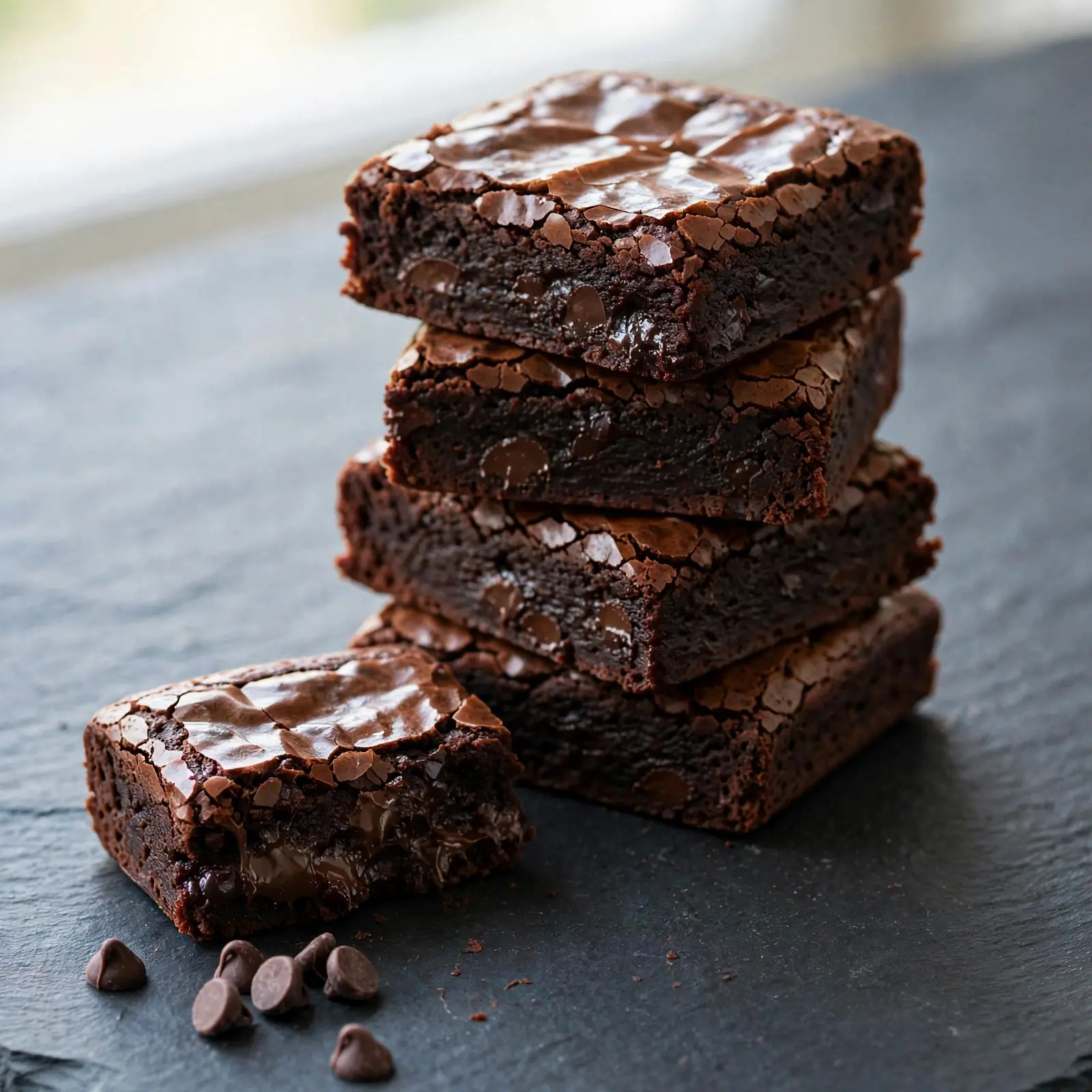
This is the surprising part for most bakers: eggs are a big reason brownies go cakey. Beaten eggs and extra egg protein trap air and set into a springy, cake like structure. Take the egg out and replace it with yogurt, and there is far less lift in the batter, so the brownie stays low, dense, and fudgy almost by default. If fudgy is what you have been chasing, the missing egg is quietly working in your favor.
J. ZaiB Micro-Tip: The Yogurt Must Be Plain, Full Fat, and Room Temperature
Three details decide whether this swap sings or flops. Use plain yogurt, never flavored or sweetened, because vanilla yogurt plus two sugars makes the brownies cloying. Use full fat, because low fat yogurt is mostly water and gives a gummy, pale crumb. And let it sit out for 20 minutes before mixing: cold yogurt hitting warm melted butter can seize the butter into little lumps that never fully melt back in.
Greek yogurt works too, but it is thicker and tangier. If Greek is what you have, whisk in one extra tablespoon of milk so the batter stays loose enough to spread.
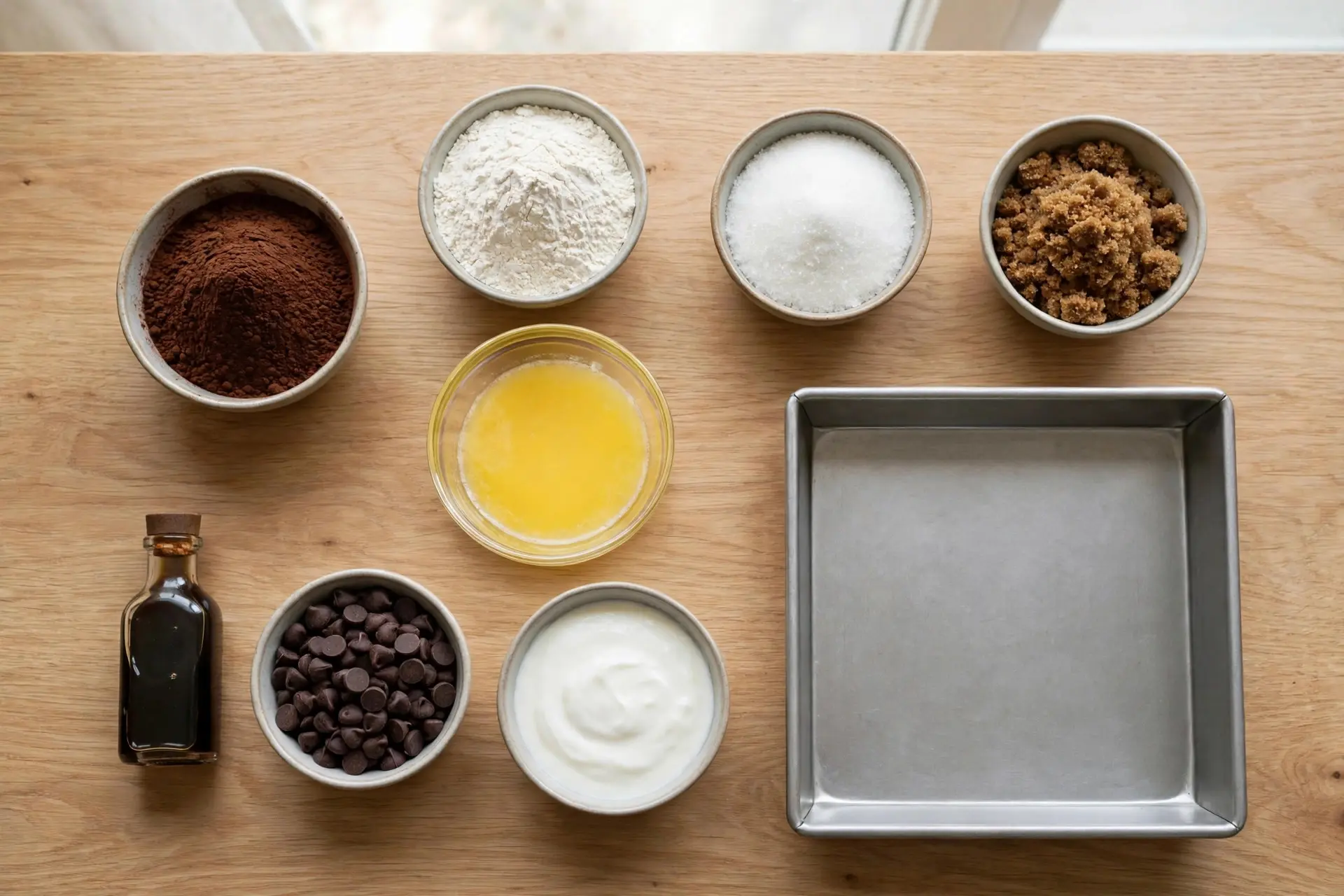
What You Need
For the Brownies
- 1/2 cup (113g) unsalted butter, melted
- 3/4 cup (150g) granulated sugar
- 1/4 cup (50g) brown sugar, packed
- 1/2 cup (120g) plain full fat yogurt, at room temperature (this is the egg replacement)
- 2 tbsp (30ml) milk
- 1 tsp vanilla extract
- 1/2 cup (50g) cocoa powder
- 3/4 cup (95g) all-purpose flour, spooned and leveled
- 1/2 tsp baking powder
- 1/4 tsp salt
- 1/2 cup (85g) chocolate chips, plus a few extra for the top if you like
Equipment: 8×8 inch square baking pan, parchment paper, medium mixing bowl, whisk, spatula, wire rack
Makes: 9 brownies
A Note on the Cocoa
Use a good natural or Dutch process cocoa, whichever you keep. Dutch process gives a darker color and a smoother, deeper chocolate taste. Natural cocoa is a little sharper and fruitier. This recipe uses baking powder rather than baking soda, so it works with either one without any changes.
A Note on the Pan
An 8×8 inch pan is not a suggestion here, it is part of the recipe. A 9×9 pan spreads the same batter thinner, and thin eggless brownies overbake fast and turn dry. If a metal pan is what you have, perfect. A glass pan holds heat longer, so start checking 2 minutes earlier.
How to Make Brownies Without Eggs, Step by Step
Prep the Pan and Oven
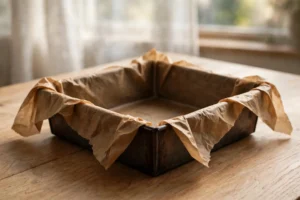
Line It Like a Sling: Heat the oven to 350°F (175°C). Line an 8×8 inch pan with parchment paper, leaving an overhang on two sides. That paper sling is how the whole slab lifts out cleanly later, with no knife fights in the corners.
Melt the Butter
Warm, Not Sizzling: Melt the butter in a small saucepan over low heat, or in the microwave in short bursts, and pour it into your mixing bowl. Let it cool for about 2 minutes. It should feel warm, not hot, because very hot butter can cook the yogurt’s proteins on contact and turn the batter grainy.
Whisk the Sugars, Then the Yogurt
Whisk the Sugars In First: Add the granulated sugar and brown sugar to the warm butter and whisk for about a minute, until the mixture looks glossy and slightly thick. This step is where the crackly top starts: sugar dissolved into warm fat is what bakes into that shiny crust.
Yogurt, Milk, and Vanilla Next: Whisk in the yogurt, milk, and vanilla until the batter base looks smooth and pourable, with no white streaks of yogurt left. This smooth base is your egg system now, so whisk it properly.
Add the Cocoa and Dry Ingredients
Sift the Cocoa Over the Top: Sift or sprinkle the cocoa powder over the bowl and whisk it in until the batter turns deep, dark, and glossy. Cocoa clumps love to hide, so look at the bottom of the bowl as you whisk.
Fold the Flour In Gently: Sprinkle the flour, baking powder, and salt over the batter. Fold with a spatula just until the last dry streak disappears. Here is that mistake I warned you about: eggless batter has no egg protein to protect it, so overmixing builds gluten fast and the brownies bake up gummy and tough. The moment the flour vanishes, stop.
Fold In the Chocolate Chips
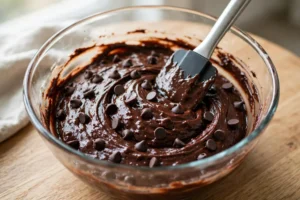
One Quick Fold: Add the chocolate chips and fold them through with a few gentle strokes, just until they are evenly spread. Those chips melt into little pockets of pure chocolate, which is part of how nobody ever guesses these are eggless.
Spread and Bake
Spread It Corner to Corner: Scrape the batter into your lined pan and spread it into an even layer, right into the corners. The batter is thick, and that is correct. Scatter a few extra chips on top if you like the look.
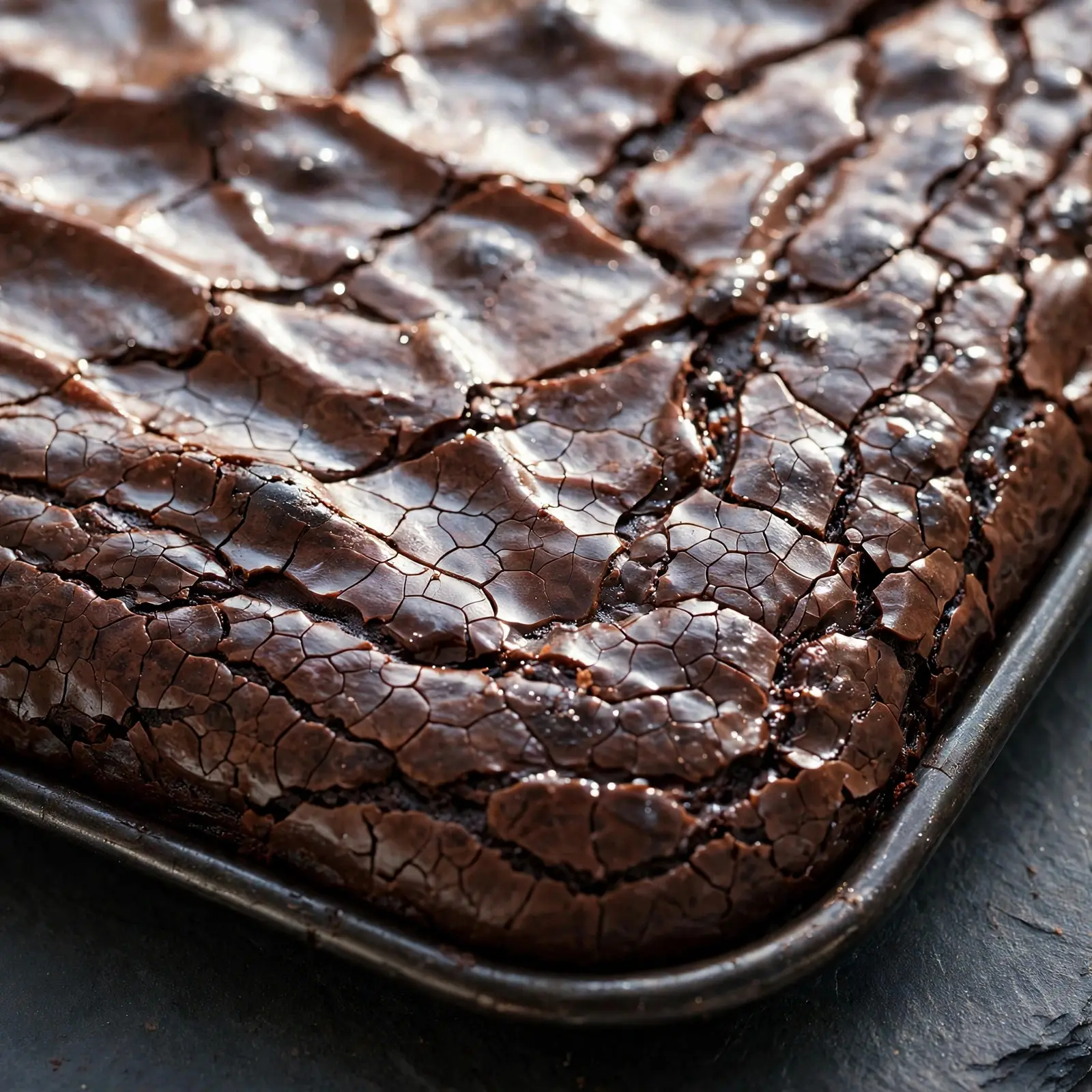
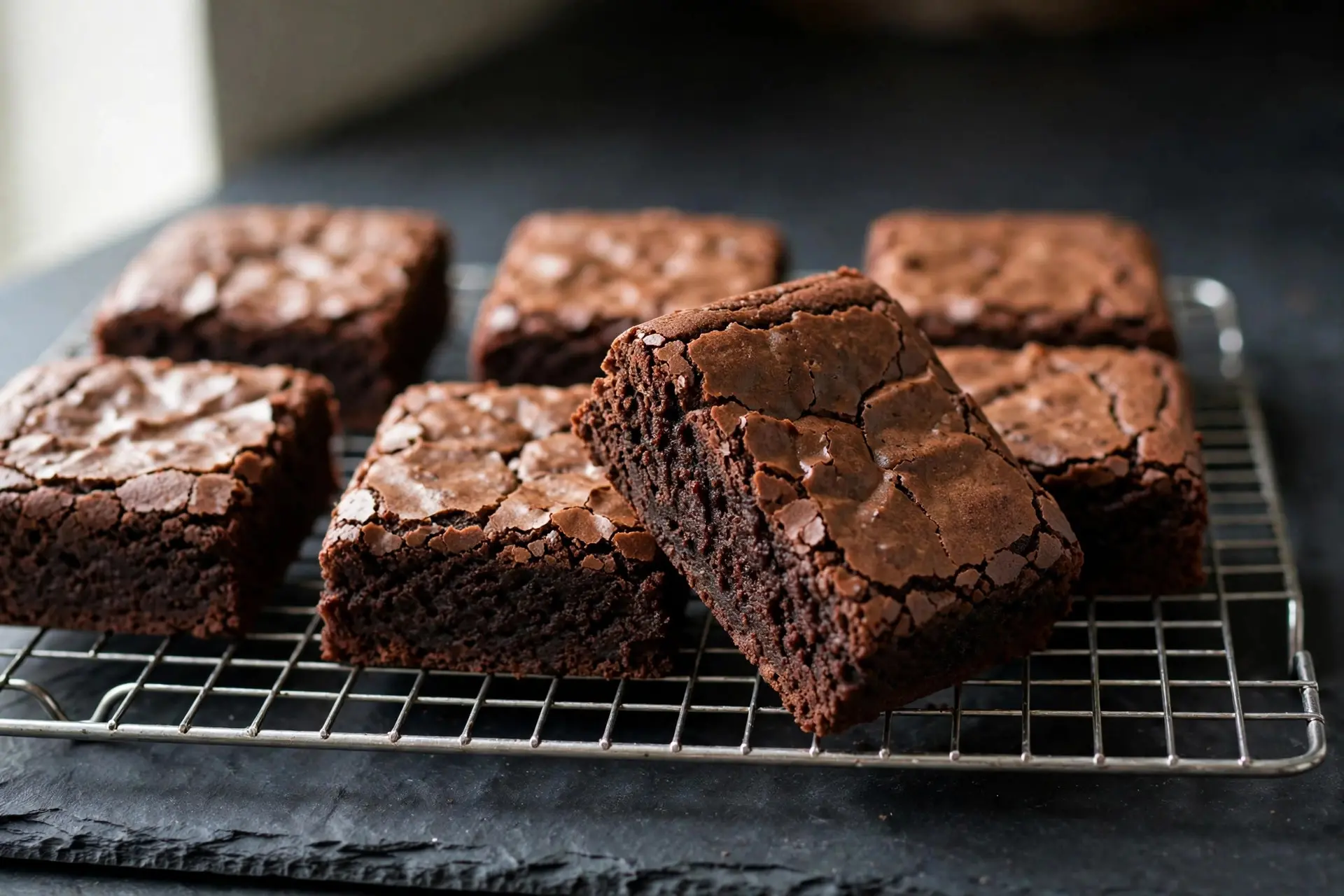
Bake, Then Trust the Toothpick: Bake at 350°F (175°C) for 22 to 25 minutes. The top should look set and crackly, the edges should just start pulling from the pan, and a toothpick pushed into the center should come out with moist crumbs on it, not wet batter and not bone clean. Moist crumbs mean fudgy. A clean toothpick means you have gone a few minutes too far.
Cool and Slice
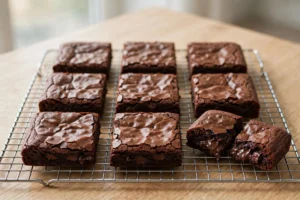
Cool Before You Cut, No Exceptions: Lift the slab out with the parchment sling and cool it on a wire rack for at least 20 minutes. Warm eggless brownies are fragile because the crumb finishes setting as it cools. Slice into 9 squares with a sharp knife, wiping the blade between cuts, and every square keeps its clean edges and crackly top.
J. ZaiB’s Expert Touch
The Crackly Top Is a Sugar Trick, Not an Egg Trick
People think the shiny crust comes from beaten eggs. It mostly comes from sugar dissolved into warm fat before the flour goes in, which is why step one of the mixing matters so much here. Whisk the sugars into the warm butter for the full minute, until the mixture looks glossy. Skip that whisk and the top bakes up matte and dull, even though the brownie underneath tastes fine.
Underbake by Two Minutes, On Purpose
With eggless brownies, the carryover heat does more of the finishing than you expect. If the toothpick shows moist crumbs at 22 minutes, take the pan out, even if your instincts are shouting. The center will set into dense fudge as it cools. Those two brave minutes are the whole difference between fudgy and dry.
A Pinch of Espresso Powder Wakes the Chocolate Up
Half a teaspoon of instant espresso powder, whisked in with the cocoa, will not make the brownies taste like coffee. It makes the chocolate taste darker and more intense, the same way salt makes caramel taste more like caramel. Optional, but once you try it, it stops being optional.
Variations to Try
The classic brownie craving, in cookie form: If eggs are not the problem at your house, our Brownie Cookies give you the same fudgy, crinkle top chocolate hit in cookie form.
Double chocolate chunk: Swap the chocolate chips for the same weight of chopped dark chocolate. The chunks melt into bigger pools and the squares look bakery made.
Peanut butter swirl: Drop 2 tablespoons of peanut butter in small spoonfuls over the spread batter and drag a knife through once or twice before baking. Our Peanut Butter Cookies Without Brown Sugar use the same one spoon pantry logic.
Nutty and crunchy: Fold 1/4 cup of chopped walnuts or pecans in with the chocolate chips for crunch against the fudge.
Smaller craving, smaller batch: When nine brownies is still too many, the Small Batch Chocolate Chip Cookies solve the same problem in cookie form, and a Chocolate Mug Cake covers the nights when even nine squares feel like a commitment.
How to Store Them
Keep the brownies in an airtight container at room temperature for up to 3 days. Do not leave the cut squares sitting out uncovered for more than 2 hours in a warm kitchen, less for their texture than for basic freshness, and know that the crackly top softens a little by day two while the middle stays fudgy.
The fridge stretches them to about a week, but cold brownies eat firm and dull. Warm a square for 10 to 15 seconds in the microwave and the center goes soft and melty again. For longer storage, wrap the squares individually and freeze for up to 3 months; thaw at room temperature for about 30 minutes, or microwave straight from frozen in short bursts.
Brownies Without Eggs
Ingredients
Method
- Heat the oven to 350°F (175°C).
- Line an 8×8 inch square baking pan with parchment paper, leaving an overhang on two sides for easy lifting.
- Melt the butter in a small saucepan over low heat, or in the microwave in short bursts.
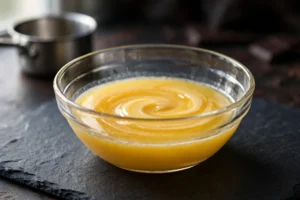
- Pour it into a mixing bowl and let it cool for about 2 minutes, until warm but not hot.
- Whisk the granulated sugar and brown sugar into the warm butter for about 1 minute, until glossy and slightly thick.
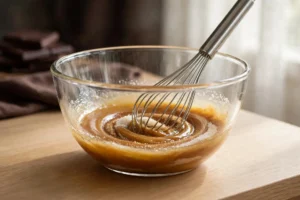
- Whisk in the yogurt, milk, and vanilla until smooth, with no white streaks left.
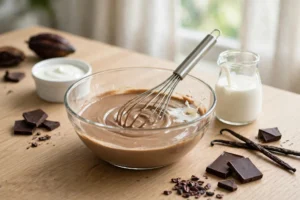
- Sift the cocoa powder over the bowl and whisk until the batter is deep, dark, and glossy.
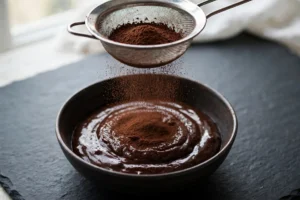
- Sprinkle the flour, baking powder, and salt over the batter.
- Fold with a spatula just until the last dry streak disappears. Do not overmix.
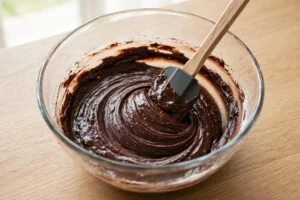
- Fold in the chocolate chips with a few gentle strokes, until evenly distributed.
- Scrape the batter into the lined pan and spread it into an even layer, right into the corners.
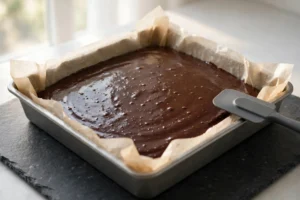
- Scatter a few extra chocolate chips on top if you like.
- Bake at 350°F (175°C) for 22 to 25 minutes, until the top looks set and crackly and a toothpick in the center comes out with moist crumbs.
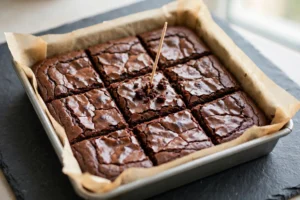
- Lift the slab out of the pan using the parchment sling and cool on a wire rack for at least 20 minutes.
- Slice into 9 squares with a sharp knife, wiping the blade between cuts.
Notes
Nutrition Information
The values below are calculated from the ingredients above, per brownie (one of 9). They are estimates: your cocoa brand, yogurt fat level, and chocolate chips will move them a little.
| Nutrient | Per Brownie |
|---|---|
| Calories | 285 kcal |
| Total Fat | 13g |
| Saturated Fat | 8g |
| Cholesterol | 35mg |
| Sodium | 105mg |
| Total Carbohydrates | 40g |
| Sugars | 29g |
| Fiber | 2g |
| Protein | 3g |
More Chocolate to Bake Next
If this pan disappeared faster than it cooled, you are in good company. The Brownie Cookies keep the same fudgy middle in cookie form. The Small Batch Chocolate Chip Cookies cover the one or two person craving, and the Chocolate Mug Cake is the five minute emergency version. When the egg box is full again, the Ube Cookies are the colorful detour worth taking.
Frequently Asked Questions
What can I use instead of eggs in brownies?
Plain full fat yogurt is the swap this recipe is built on: use 1/2 cup (120g) for a standard 8×8 pan. Unsweetened applesauce (1/2 cup) works too and leans the brownies a little more cake like, and a flax egg (1 tbsp ground flaxseed stirred into 3 tbsp water, rested 10 minutes) binds well but adds a faint nutty taste. Mashed banana works in a pinch, but you will taste it.
What is the best substitute for eggs in brownies?
For fudgy brownies, yogurt wins because it replaces the egg’s moisture, fat, protein, and binding all at once, which most single swaps do not. Applesauce replaces mostly moisture, and flax replaces mostly binding, so each one alone leaves a job undone. Yogurt is the closest one ingredient stand in.
What makes brownies fudgy vs cakey?
Fat and lift. Fudgy brownies use melted butter, more fat relative to flour, and little to no extra lift, so they set dense. Cakey brownies use creamed butter, more flour, and more egg, which traps air and bakes up springy. These eggless brownies land fudgy almost by default, because the yogurt adds no lift at all.
What is the secret of chewy brownies?
Chew comes from sugar and timing. A mix of granulated and brown sugar, whisked into warm butter until glossy, bakes into that thin crackly skin over a chewy middle. The second half of the secret is pulling the pan out while the center still looks slightly underdone: moist crumbs on the toothpick, never wet batter.
Can I make brownies with yogurt instead of eggs?
Yes, that is exactly this recipe. Use plain, full fat, unsweetened yogurt at room temperature, 1/2 cup (120g) for an 8×8 pan, and whisk it in after the sugars and butter so the batter stays smooth. Greek yogurt also works with one extra tablespoon of milk whisked in.
Can I use oil instead of butter in brownies?
You can. Use a neutral oil at about 7 tablespoons for every 1/2 cup of butter, and expect a slightly denser, very moist brownie with a little less of that buttery, almost salty depth. Melted coconut oil also works and sets the crumb a touch firmer as it cools. The yogurt swap stays exactly the same either way.
Can you leave eggs out of brownie mix?
Yes, if you replace them with something that binds. For a standard boxed mix that calls for 1 to 2 eggs, swap in 1/2 cup of plain yogurt and keep the mix’s oil and water as directed. Just leaving the eggs out with no replacement gives you a crumbly, greasy slab that never quite sets.
How can I make brownies if I don’t have eggs?
Start with what is already in the fridge: yogurt is the best all round replacement, and applesauce, mashed banana, or a flax egg all work with the small trade offs covered above. The method matters as much as the swap: whisk the sugars into warm fat, fold the flour in gently, and pull the pan at moist crumbs, and nobody at the table will guess the egg box was empty.