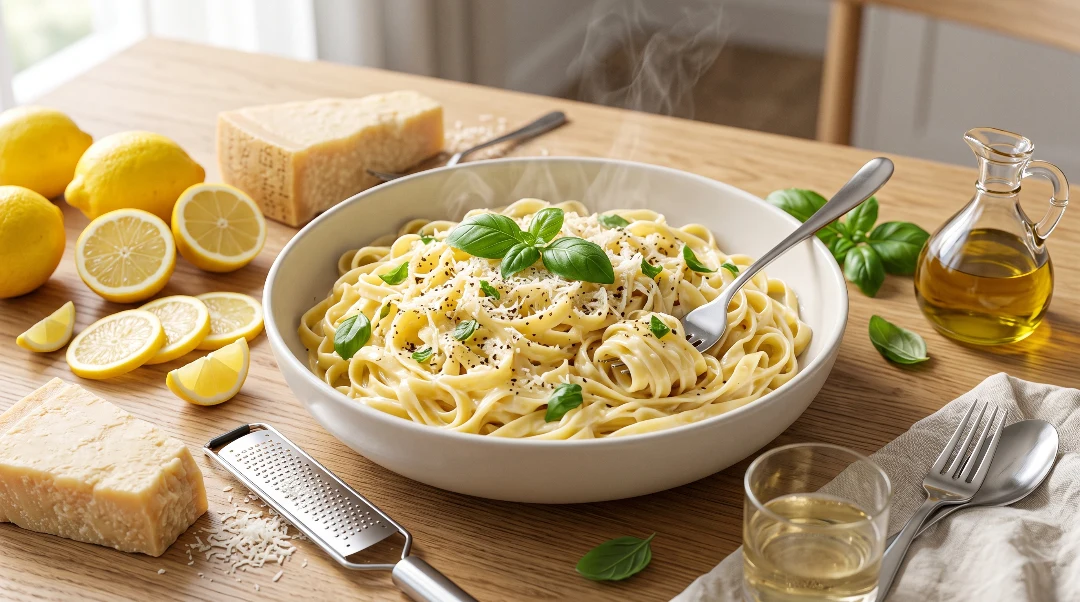
Ingredients
Equipment
Method
Boil the Pasta
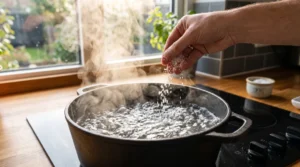
- Salt the Water Generously: Bring a large pot of water to a full rolling boil. Add a generous amount of salt until the water tastes pleasantly salty, not ocean salty but definitely not plain either. This is the only opportunity to season the pasta itself from the inside, and under-salted pasta tastes flat no matter how good the sauce is. Cook the pasta until al dente, about one minute less than the package directions say, since it will finish cooking briefly in the sauce and you do not want it to go mushy.
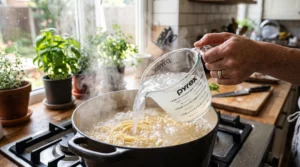
- Save the Pasta Water Before Draining: About 30 seconds before the pasta is done, scoop out at least 1 full cup of the starchy cooking water and set it aside in a measuring cup or bowl. This cloudy water is the secret to a silky, glossy sauce, and once you drain the pasta it is gone forever. Keep a ladle or cup near the pot as a reminder so you never forget this step.
Brown the Butter and Garlic
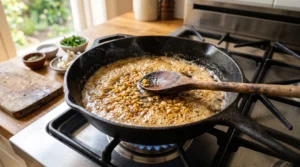
- Cook the Butter Past Melting: In a large skillet over medium heat, add the butter and let it melt completely. Then keep cooking it, swirling the pan occasionally, until the butter turns a light golden color and smells nutty and fragrant, about 2 to 3 minutes past the melting point. This nutty browned butter adds a depth of flavor that plain melted butter simply does not have, and it takes almost no extra effort. Add the minced garlic and stir constantly for 60 seconds until it smells fragrant but has not yet turned brown. Remove the pan from the heat.
Prepare the Ricotta Mixture
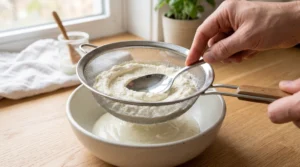
- Strain the Ricotta for a Silky Sauce: Press the whole milk ricotta through a fine mesh sieve into a mixing bowl using the back of a spoon, working it through until smooth. This simple step removes any remaining tiny curds in the cheese and produces a sauce that looks professionally smooth rather than slightly lumpy. If you do not own a sieve, whisk the ricotta vigorously in the bowl for 30 seconds to break it up as much as possible. Add the freshly grated Parmesan, lemon juice, lemon zest if using, a generous pinch of salt, and a good amount of freshly ground black pepper. Stir everything together until fully combined.
Build the Sauce
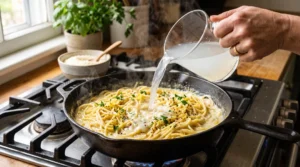
- Combine Everything Gently Over Low Heat: Return the skillet to low heat. Add the drained al dente pasta to the pan with the browned garlic butter and toss briefly to coat. Add the ricotta mixture to the pasta and immediately pour in half the reserved pasta water. Toss everything together gently but thoroughly, using tongs or a pasta spoon to lift and turn the pasta so the sauce gets into every piece. Add more pasta water, a small splash at a time, until the sauce looks glossy and coats every piece of pasta evenly rather than sitting in clumps at the bottom of the pan. Keep the heat on low throughout this entire step without exception, because medium or high heat is what turns ricotta grainy and ruins the texture.
Serve
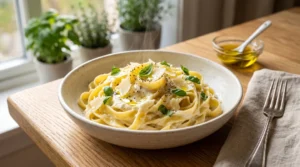
- Plate Immediately and Finish at the Table: Taste the pasta and adjust with more salt, more pepper, or a squeeze of extra lemon juice until it tastes bright and savory rather than flat or bland. Divide among warmed bowls right away, since ricotta sauce begins to tighten and thicken as it cools. Top each bowl with extra freshly grated Parmesan, a few more grinds of black pepper, a small handful of torn fresh basil or chopped parsley, and a light drizzle of good extra virgin olive oil if you have it. Bring it to the table immediately and eat while it is at its best.
Video
Notes
- Whole milk ricotta is not optional. Part-skim ricotta has more water and less fat, which makes the sauce noticeably thinner and less creamy. Whole milk ricotta is the correct choice for this recipe.
- Save pasta water before draining, not after. Once the pasta is in the colander, that water is gone. Keep a measuring cup or ladle near the pot as a reminder.
- The fine mesh sieve step changes the texture. Pressing ricotta through a sieve removes any remaining protein curds and produces a noticeably smoother sauce. Worth the extra 30 seconds.
- Keep heat on low when combining. Medium or high heat causes the ricotta proteins to seize up and turn grainy. Low and gentle is essential during the sauce-building step.
- Add pasta water gradually. Start with half the reserved water and add more as needed. Too much water makes the sauce thin, too little leaves it thick and clumpy.
- Freshly grated Parmesan only. Pre-grated Parmesan contains anti-caking agents that prevent it from melting smoothly into the sauce. A block of Parmesan and a box grater take 30 extra seconds and make an immediately noticeable difference.
- Eat immediately. Ricotta pasta sauce tightens quickly as it cools and even reheating does not fully restore the just-made texture.
- Reheating leftovers: Add 2 to 3 tablespoons of water before microwaving and stir halfway through. Or reheat gently in a saucepan over low heat with a splash of water, stirring constantly.
- Variations: Lemon ricotta pasta: add zest of one full lemon and extra juice. Tomato ricotta: stir ricotta into a reduced tomato sauce off the heat. Spinach ricotta: wilt spinach in the garlic butter before adding pasta.
- UK/Australia notes: "Pasta water" is the same term used globally. "Whole milk ricotta" may be labeled full fat ricotta. "Parmesan" is universally available.
- Nutrition values are estimates and vary based on pasta quantity, ricotta brand, and Parmesan amount used.