

The first time I made ricotta pasta, I dumped ricotta straight into a hot pan, cranked the heat to get it saucy fast, and stirred aggressively for about three minutes. What came out looked like scrambled eggs had somehow ended up in my pasta. The ricotta had seized into dry, crumbly curds instead of melting into a smooth sauce.
I learned two things from that batch. First, ricotta does not behave like cream. You cannot heat it hard and fast and expect silk. Second, the actual secret to smooth, creamy ricotta pasta sauce has nothing to do with adding more ricotta, more butter, or more cheese. It has everything to do with the cloudy water that you almost poured down the drain.
That starchy pasta water is what turns ricotta from a clumpy white cheese into a sauce that coats every strand and stays creamy from first bite to last. This Ricotta Pasta Recipe uses that trick correctly, along with a couple of others nobody seems to talk about, to produce the silkiest, most satisfying pasta you can make in fifteen minutes.
Let’s make it right this time.
Why This Is the Best Ricotta Pasta Recipe
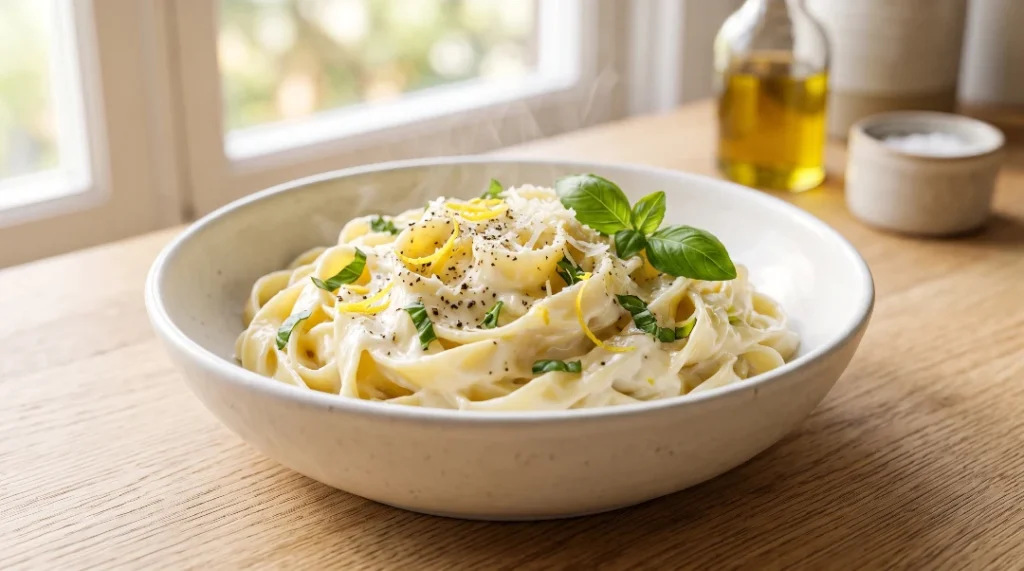
No heavy cream needed, ever. Ricotta itself is already rich and creamy, and when you use the pasta water trick correctly, you do not need to add a single drop of cream to get a sauce that coats pasta like velvet.
Ready in exactly the time it takes to boil pasta. The sauce comes together in less than five minutes while the pasta cooks. There is almost nothing faster in the weeknight dinner category that still tastes genuinely impressive.
Three full variations covered properly. Lemon ricotta pasta, tomato ricotta pasta, and spinach ricotta pasta are all here with real recipes, not just “add these ingredients” as an afterthought.
A pasta shape guide included. Different pasta shapes hold ricotta sauce differently, and the wrong shape genuinely makes this dish worse. This recipe tells you which shapes work and which do not.
A Quick History, Where Ricotta Pasta Comes From
Ricotta itself is one of the oldest cheeses in Italy, born from a practical need to make use of what would otherwise be wasted. The word ricotta literally means “recooked” in Italian, referring to the traditional process of reheating the leftover whey from other cheesemaking to create a second, lighter cheese from the remaining proteins. This humble, practical cheese became a staple of Italian cucina povera, the cooking of the poor, because it was affordable, filling, and produced locally everywhere milk was available.
Using ricotta as a pasta sauce, rather than a filling, has always been more of a home cook’s tradition than a restaurant dish, which is exactly what makes it so appealing. It is the kind of meal Italian home cooks made when they needed dinner on the table fast with whatever was already in the house. For more on ricotta’s origins and production, Britannica’s entry on ricotta covers the history clearly.
Why Ricotta Pasta Goes Wrong and How to Stop It
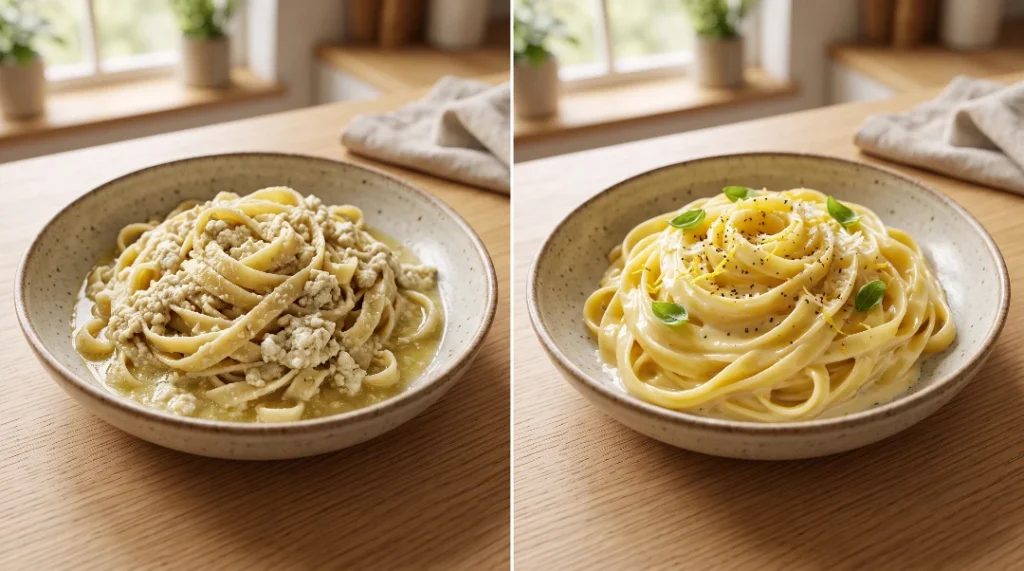
Here is everything you need to know about getting this right, in plain terms.
Why ricotta goes grainy when you heat it too hard. Ricotta is made from milk proteins that have already been loosened and separated during the cheesemaking process. When you heat ricotta too aggressively, those proteins seize up and clump back together, squeezing out their liquid in the process and leaving you with dry, crumbly curds instead of a smooth sauce. The fix is simple: keep the heat gentle and low, never above a warm simmer, and add pasta water before the ricotta ever gets too hot. The starch in the water keeps everything moving and prevents the proteins from clumping.
Why pasta water is the real secret, not butter or cream. When pasta cooks, it releases starch into the water it is boiling in, turning that water cloudy and slightly thick. That starch has one very useful property: it helps ingredients that would not normally combine smoothly (like the fat in ricotta and the water in the sauce) emulsify into a single, cohesive, glossy coating. A splash of pasta water added to ricotta essentially tells all the ingredients to stay together instead of separating. This is the same science behind how Italian cooks make carbonara creamy without any cream at all, just eggs, cheese, and pasta water working together. For detailed nutritional data on whole milk ricotta, USDA FoodData shows exactly what you are working with.
Why whole milk ricotta makes a better sauce than part-skim. Part-skim ricotta has a higher water content and less fat than whole milk ricotta. In a sauce, that extra water makes the sauce looser and more watery, while the lower fat content means less of that coating, creamy mouthfeel that makes a good pasta dish satisfying. Whole milk ricotta melts into the sauce more smoothly and sticks to the pasta better. This is one of those ingredient choices that genuinely matters, not just a small preference difference.
Why browning the butter first makes a big difference. Simply melted butter adds richness. Butter cooked a little past the melting point, until it turns golden and smells nutty, develops dozens of new flavor compounds that plain butter simply does not have. This is the same principle behind browned butter in baking, that deeper, nuttier, more complex flavor that people cannot quite identify but immediately love. Added to ricotta, it gives the sauce a dimension that makes it taste like it was made with far more effort than it actually required.
What You Need
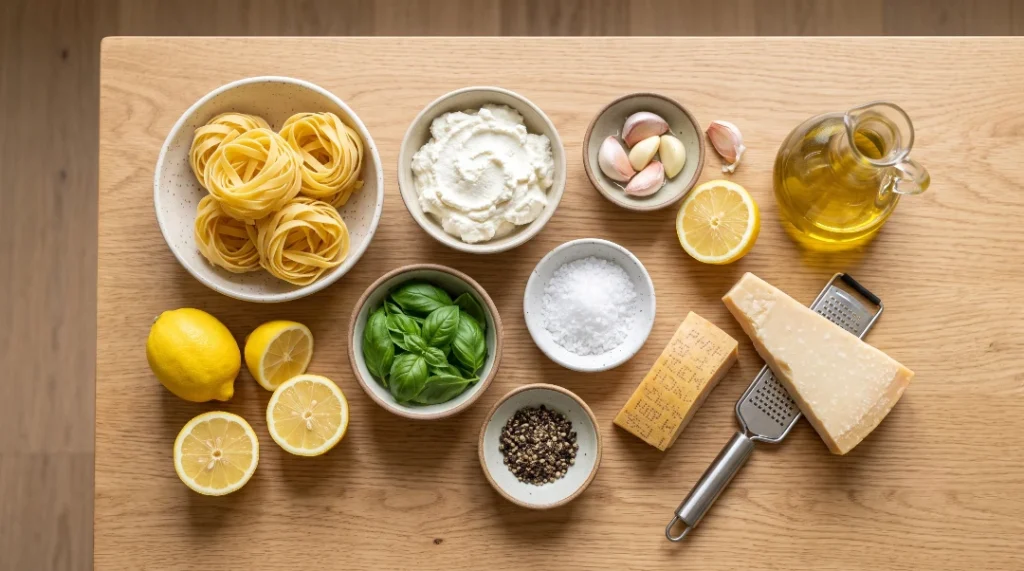
For the Ricotta Pasta Recipe
- 12 oz (340g) pasta of choice (rigatoni, penne, or fusilli, see pasta shape guide below)
- 1 cup (250g) whole milk ricotta (do not use part-skim, see Notes)
- 2 tbsp unsalted butter
- 3 garlic cloves, minced
- ½ cup (50g) freshly grated Parmesan cheese (plus more for serving)
- ½ cup (120ml) pasta water (reserved before draining, this is essential)
- 1 tbsp fresh lemon juice
- ½ tsp lemon zest (optional but adds brightness)
- Salt and freshly ground black pepper to taste
- Fresh basil or parsley for garnish
Equipment: Large pasta pot, large skillet or saucepan, fine mesh sieve (optional, for ultra smooth sauce), box grater for Parmesan Serves: 4
Pasta Shape Guide for Ricotta Sauce
| Pasta Shape | How Well It Holds Ricotta Sauce | Notes |
|---|---|---|
| Rigatoni | Excellent | Ridged exterior and hollow center both grab the sauce |
| Penne | Excellent | Ridges hold the sauce, hollow center fills nicely |
| Fusilli | Very good | Spirals trap the sauce in every curve |
| Farfalle (bow ties) | Good | Fun presentation, holds sauce reasonably well |
| Spaghetti | Okay | Smooth surface means sauce can pool at the bottom of the bowl |
| Fettuccine | Okay | Works better with the lemon variation, wider surface helps |
| Angel hair | Not recommended | Too thin, sauce falls off immediately |
Bottom line: Ridged, tubular, or spiral shapes hold ricotta sauce dramatically better than smooth, flat, or very thin pasta. Rigatoni is the ideal choice.
How to Make the Best Ricotta Pasta Recipe, Step by Step
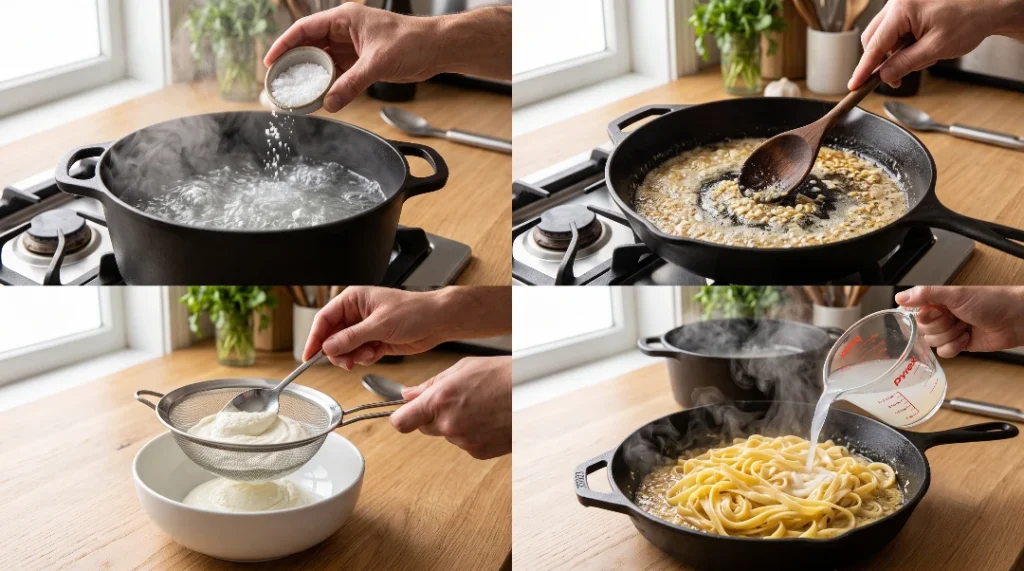
Boil the Pasta
Salt the Water Generously: Bring a large pot of water to a full, rolling boil. Add enough salt that the water tastes pleasantly salty, not ocean salty but not plain either. This is the only chance to season the pasta itself, not just the sauce. Cook the pasta until al dente, about one minute less than the package directions say, since it will finish cooking briefly in the sauce.
Reserve the Pasta Water Before Draining: Before you drain the pasta, scoop out at least 1 full cup of the starchy cooking water and set it aside. This is the most commonly skipped step in ricotta pasta and the one that matters most. Do this before draining because once the pasta is in the colander, that water is gone.
Brown the Butter and Garlic
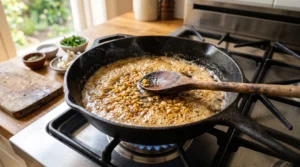
Cook Until Nutty and Golden: In a large skillet over medium heat, melt the butter. Keep cooking it past the melting point, swirling the pan occasionally, until the butter turns a light golden color and smells nutty and fragrant, about 2 to 3 minutes. Add the minced garlic and cook for 60 seconds more, stirring constantly, until fragrant but not browned. Remove from heat.
If you are in a hurry, you can skip the browning and just melt the butter, then add the garlic. The sauce will still be excellent, just slightly simpler in flavor.
Make the Ricotta Sauce
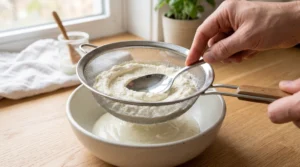
Combine Off the Heat: For the smoothest possible sauce, pass the ricotta through a fine mesh sieve into a bowl first, pressing it through with a spoon. This breaks up any remaining curds and produces a noticeably smoother sauce. If you do not have a sieve, whisk the ricotta vigorously in the bowl for 30 seconds before using it.
Add the ricotta to the bowl with the Parmesan, lemon juice, lemon zest if using, and a generous pinch of salt and black pepper. Stir together until combined.
Bring It Together
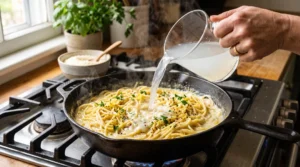
Add Pasta Water Gradually: Add the drained, al dente pasta to the skillet with the browned butter and garlic over low heat. Immediately add the ricotta mixture and half the reserved pasta water. Toss everything together gently, adding more pasta water a splash at a time until the sauce coats every piece of pasta smoothly and evenly rather than sitting in clumps. The sauce should look glossy, not dry or watery.
Keep the heat low throughout this step. Medium or high heat here is what causes the ricotta to seize up into grainy curds. Low and gentle is the key.
Taste and Adjust
Season Before Serving: Taste the pasta and adjust with more salt, pepper, or lemon juice. The sauce should taste bright and savory, not bland or flat. If it tastes one-dimensional, it almost always needs more salt and a squeeze of extra lemon juice.
Serve
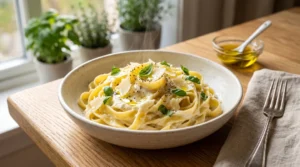
Plate and Finish Immediately: Divide the pasta among warm bowls. Top with an extra grating of fresh Parmesan, a few grinds of black pepper, fresh basil or parsley, and a final small drizzle of good olive oil if you like. Serve immediately. Ricotta pasta sauce begins to thicken and tighten as it cools, so this is one recipe where everyone should sit down and eat right away.
J.ZaiB’s Expert Touch
Always pass the ricotta through a fine mesh sieve before making the sauce. I skipped this step for a long time and wondered why my sauce always had tiny lumps that would not smooth out no matter how much I stirred. Thirty seconds of pressing it through a sieve eliminates every last curd and produces a sauce that looks professionally made. The texture difference between sieved and unsieved ricotta in pasta is genuinely noticeable.
Add pasta water before the ricotta ever touches the heat. Most people add pasta water after the sauce is already in the pan and starting to seize. Adding it first creates a warm, starchy liquid in the pan that the ricotta melts into gently rather than hitting a hot surface and clamping up. This one change from the wrong order to the right order is the difference between a grainy sauce and a silky one.
Whole milk ricotta only, no exceptions. I tried making this with part-skim once when the store was out of whole milk. The sauce was noticeably watery and thin and stuck to the pasta much less effectively. Whole milk ricotta has the fat content that makes this sauce work. It is worth the small price difference every single time.
Freshly grated Parmesan, not the green shaker can. Pre-grated Parmesan from a shaker contains anti-caking agents that prevent it from melting smoothly. It leaves a slightly gritty, powdery texture in the sauce instead of melting into it cleanly. A box grater and a block of Parmesan takes thirty extra seconds and makes an immediately noticeable difference in the final texture.
Save more pasta water than you think you need. I always save a full cup, even though most recipes call for a quarter or half cup. It takes up no extra effort and means you have plenty to adjust the sauce to exactly the right consistency without running short.
Variations to Try
Lemon Ricotta Pasta: Add the zest of one full lemon plus 2 tablespoons of juice to the ricotta mixture. Skip the garlic or use only a tiny amount. Top with extra lemon zest, fresh basil, and a drizzle of good olive oil. This is the lightest, freshest version and works beautifully in spring and summer.
Tomato Ricotta Pasta: Saute one can of crushed tomatoes with olive oil, garlic, and a pinch of red pepper flakes for 10 minutes until the sauce reduces and deepens in flavor. Remove from heat and stir in the ricotta off the heat, letting the sauce cool slightly before adding so the ricotta does not curdle. This version is richer and more substantial, perfect for colder months.
Spinach and Ricotta Pasta: Add two large handfuls of baby spinach to the pan with the garlic and butter and cook until just wilted, about 60 to 90 seconds, before adding the pasta and ricotta. The spinach adds color, nutrients, and a slight earthiness that works beautifully with the mild, creamy sauce.
Chicken Ricotta Pasta: Season diced chicken breast with salt, pepper, and garlic powder, and cook it in the skillet in the butter before starting the sauce. Remove the chicken, make the sauce in the same pan, then add the chicken back in when combining with the pasta. The chicken picks up the browned butter flavor from the pan.
Ricotta Pasta with Crispy Prosciutto: Crisp 4 slices of prosciutto in a dry skillet until brittle, then crumble over the finished pasta. The salty, crispy prosciutto against the smooth, mild ricotta sauce is one of those combinations that makes the dish feel genuinely restaurant-worthy.
Spicy Ricotta Pasta: Add a generous pinch of red pepper flakes to the garlic and butter step. Stir a teaspoon of Calabrian chili paste into the ricotta mixture before adding it to the pasta. The heat cuts through the richness of the sauce and gives the whole dish a satisfying edge.
Serving Ideas
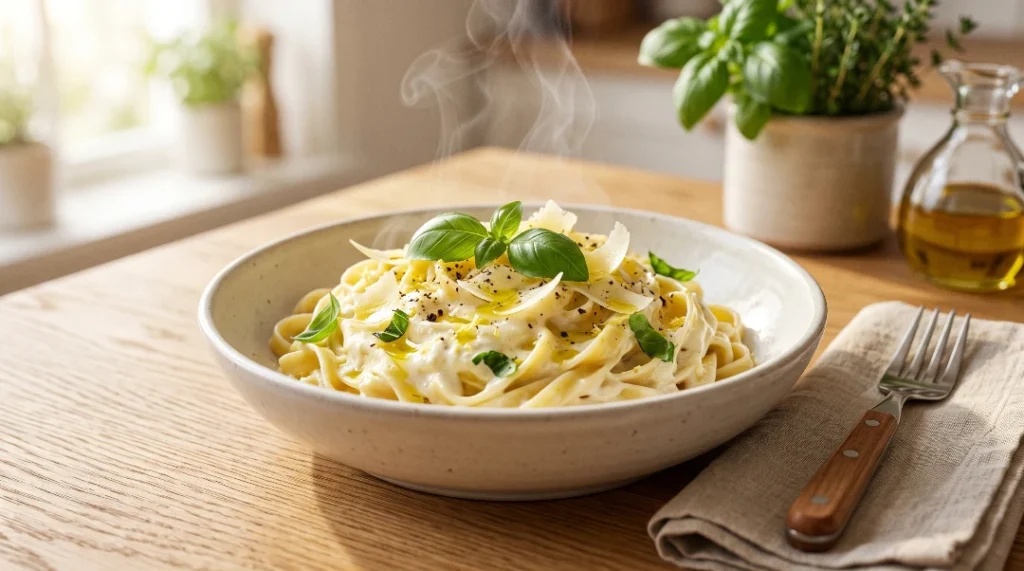
Weeknight dinner: This is the recipe for nights when you have thirty minutes and need something that tastes like you tried harder than you did. Pair with a simple green salad and crusty bread to soak up any sauce left in the bowl.
Dinner party first course: Serve in smaller portions in warm shallow bowls as a starter before a main. The lemon variation works especially well here because its brightness sets up the palate for whatever follows.
Complete dinner with Italian meatballs: Serve this ricotta pasta alongside our Best Italian Meatballs Recipe for a full Italian-inspired dinner spread. The mild, creamy ricotta sauce complements the rich, herb-loaded meatballs without competing.
Sunday family meal: Double the recipe and serve it as a generous centerpiece dish with a big salad and garlic bread. Ricotta pasta scales up easily and the sauce can be adjusted with extra pasta water as needed to coat a larger batch without losing its texture.
Storage and Reheating Guide
Storage: Keep leftovers in a sealed container in the refrigerator for up to 2 days. Ricotta pasta does not freeze well because the sauce separates completely on thawing.
Reheating, and this matters: Do not reheat ricotta pasta in the microwave without adding liquid first. The heat dries out the ricotta and makes it grainy. Instead, add 2 to 3 tablespoons of water or chicken broth to the container before microwaving, and stir halfway through to redistribute the sauce as the liquid heats up and rehydrates it. Or reheat gently in a small saucepan over low heat with a splash of water, stirring constantly.
Best served fresh: This pasta is at its absolute best the moment it leaves the pan. If you are cooking for a dinner party, plate it immediately and get it to the table quickly. The sauce tightens as it cools and even reheating never quite replicates the just-made texture.
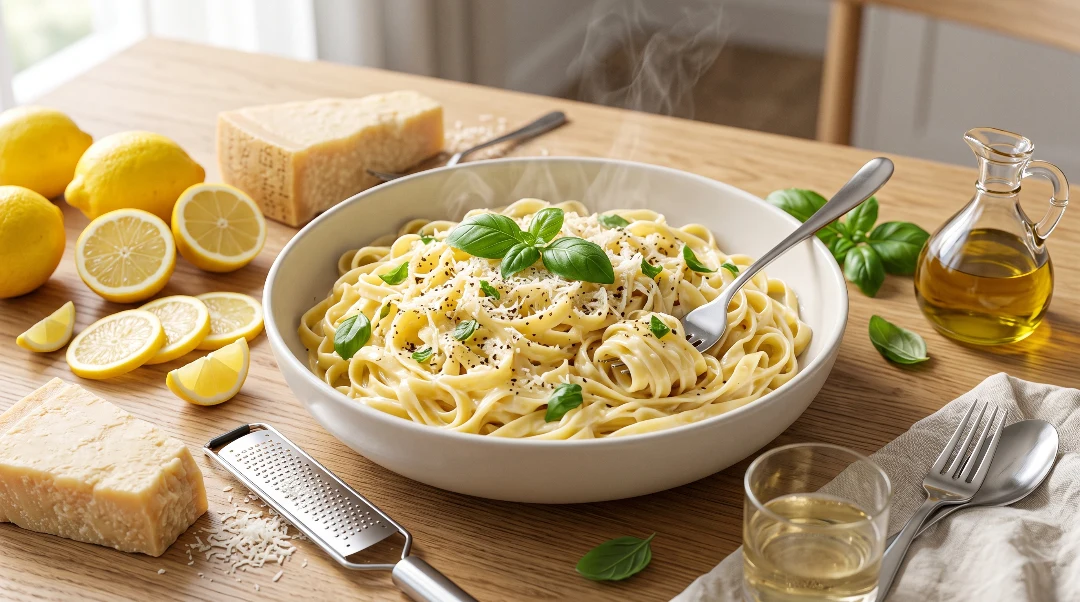
Best Ricotta Pasta Recipe
Ingredients
Equipment
Method
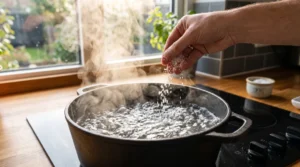
- Salt the Water Generously: Bring a large pot of water to a full rolling boil. Add a generous amount of salt until the water tastes pleasantly salty, not ocean salty but definitely not plain either. This is the only opportunity to season the pasta itself from the inside, and under-salted pasta tastes flat no matter how good the sauce is. Cook the pasta until al dente, about one minute less than the package directions say, since it will finish cooking briefly in the sauce and you do not want it to go mushy.

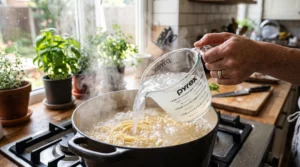
- Save the Pasta Water Before Draining: About 30 seconds before the pasta is done, scoop out at least 1 full cup of the starchy cooking water and set it aside in a measuring cup or bowl. This cloudy water is the secret to a silky, glossy sauce, and once you drain the pasta it is gone forever. Keep a ladle or cup near the pot as a reminder so you never forget this step.
- Cook the Butter Past Melting: In a large skillet over medium heat, add the butter and let it melt completely. Then keep cooking it, swirling the pan occasionally, until the butter turns a light golden color and smells nutty and fragrant, about 2 to 3 minutes past the melting point. This nutty browned butter adds a depth of flavor that plain melted butter simply does not have, and it takes almost no extra effort. Add the minced garlic and stir constantly for 60 seconds until it smells fragrant but has not yet turned brown. Remove the pan from the heat.
- Strain the Ricotta for a Silky Sauce: Press the whole milk ricotta through a fine mesh sieve into a mixing bowl using the back of a spoon, working it through until smooth. This simple step removes any remaining tiny curds in the cheese and produces a sauce that looks professionally smooth rather than slightly lumpy. If you do not own a sieve, whisk the ricotta vigorously in the bowl for 30 seconds to break it up as much as possible. Add the freshly grated Parmesan, lemon juice, lemon zest if using, a generous pinch of salt, and a good amount of freshly ground black pepper. Stir everything together until fully combined.
- Combine Everything Gently Over Low Heat: Return the skillet to low heat. Add the drained al dente pasta to the pan with the browned garlic butter and toss briefly to coat. Add the ricotta mixture to the pasta and immediately pour in half the reserved pasta water. Toss everything together gently but thoroughly, using tongs or a pasta spoon to lift and turn the pasta so the sauce gets into every piece. Add more pasta water, a small splash at a time, until the sauce looks glossy and coats every piece of pasta evenly rather than sitting in clumps at the bottom of the pan. Keep the heat on low throughout this entire step without exception, because medium or high heat is what turns ricotta grainy and ruins the texture.
- Plate Immediately and Finish at the Table: Taste the pasta and adjust with more salt, more pepper, or a squeeze of extra lemon juice until it tastes bright and savory rather than flat or bland. Divide among warmed bowls right away, since ricotta sauce begins to tighten and thicken as it cools. Top each bowl with extra freshly grated Parmesan, a few more grinds of black pepper, a small handful of torn fresh basil or chopped parsley, and a light drizzle of good extra virgin olive oil if you have it. Bring it to the table immediately and eat while it is at its best.
Video
Notes
- Whole milk ricotta is not optional. Part-skim ricotta has more water and less fat, which makes the sauce noticeably thinner and less creamy. Whole milk ricotta is the correct choice for this recipe.
- Save pasta water before draining, not after. Once the pasta is in the colander, that water is gone. Keep a measuring cup or ladle near the pot as a reminder.
- The fine mesh sieve step changes the texture. Pressing ricotta through a sieve removes any remaining protein curds and produces a noticeably smoother sauce. Worth the extra 30 seconds.
- Keep heat on low when combining. Medium or high heat causes the ricotta proteins to seize up and turn grainy. Low and gentle is essential during the sauce-building step.
- Add pasta water gradually. Start with half the reserved water and add more as needed. Too much water makes the sauce thin, too little leaves it thick and clumpy.
- Freshly grated Parmesan only. Pre-grated Parmesan contains anti-caking agents that prevent it from melting smoothly into the sauce. A block of Parmesan and a box grater take 30 extra seconds and make an immediately noticeable difference.
- Eat immediately. Ricotta pasta sauce tightens quickly as it cools and even reheating does not fully restore the just-made texture.
- Reheating leftovers: Add 2 to 3 tablespoons of water before microwaving and stir halfway through. Or reheat gently in a saucepan over low heat with a splash of water, stirring constantly.
- Variations: Lemon ricotta pasta: add zest of one full lemon and extra juice. Tomato ricotta: stir ricotta into a reduced tomato sauce off the heat. Spinach ricotta: wilt spinach in the garlic butter before adding pasta.
- UK/Australia notes: “Pasta water” is the same term used globally. “Whole milk ricotta” may be labeled full fat ricotta. “Parmesan” is universally available.
- Nutrition values are estimates and vary based on pasta quantity, ricotta brand, and Parmesan amount used.
NUTRITION
(Per serving, based on 4 servings)
| Nutrient | Amount |
|---|---|
| Calories | ~520 kcal |
| Total Fat | 18g |
| Saturated Fat | 10g |
| Cholesterol | 55mg |
| Sodium | 420mg |
| Total Carbs | 67g |
| Sugars | 3g |
| Fiber | 3g |
| Protein | 22g |
Note: Values are estimates and vary based on pasta shape, ricotta brand fat content, and Parmesan quantity.
Frequently Asked Questions
Why is my ricotta pasta grainy or lumpy?
The ricotta was heated too hard and too fast, causing the proteins inside it to seize up and clump together. Fix it next time by keeping the heat low throughout the sauce-building step, adding pasta water to the pan before the ricotta, and passing the ricotta through a fine mesh sieve before using it. A silky sauce and a grainy sauce are separated by nothing more than these three habits.
Can I make ricotta pasta without pasta water?
You can, but the sauce will not be as smooth or as well-coated. Without the starch from pasta water, the ricotta and butter sit next to the pasta rather than melting together into a single glossy coating. If you forget to save pasta water, use a small amount of warm water mixed with a teaspoon of cornstarch as a substitute. It is not as effective but it helps.
What pasta shape is best for ricotta pasta?
Ridged or tubular shapes hold ricotta sauce significantly better than smooth or flat ones. Rigatoni is the top choice, followed by penne and fusilli. Smooth pasta like spaghetti lets the sauce slide off and pool at the bottom of the bowl. See the full pasta shape guide in the recipe above.
Can I use part-skim ricotta instead of whole milk?
You can, but the sauce will be noticeably more watery and less creamy due to the lower fat content and higher moisture in part-skim ricotta. Whole milk ricotta is genuinely worth seeking out for this recipe.
Why does ricotta pasta get thick and stodgy when it cools?
The starch from the pasta water continues to set as the temperature drops, and the proteins in the ricotta firm up slightly. This is normal and does not mean you made a mistake. It is simply how this sauce behaves, which is why eating it immediately after cooking produces such a noticeably better result than eating it even 10 minutes later.
Can I make this dairy-free?
Ricotta pasta relies heavily on dairy at every level (butter, ricotta, Parmesan), so making it truly dairy-free changes the dish significantly. That said, a cashew-based ricotta blended smooth with nutritional yeast and lemon juice can approximate the sauce texture reasonably well. Use vegan butter and skip the Parmesan or substitute nutritional yeast for its savory, cheesy note.
How do I make ricotta pasta for meal prep?
The honest answer is that ricotta pasta does not meal prep well. The sauce is best made and eaten immediately. For meal prep purposes, cook the pasta separately and store it plain, and prepare the ricotta sauce fresh each time you want to eat it. Since the sauce takes less than five minutes to make, this is not as inconvenient as it sounds.
The Pasta That Is Ready Before You Are
A great Ricotta Pasta Recipe does not need a long ingredient list, a complex technique, or anything you do not already have in your kitchen. It needs three things: the right cheese at the right temperature, pasta water added at the right moment, and the patience to keep the heat low when every instinct says to turn it up.
Get those three right and what comes out of the pan is one of the most satisfying, most genuinely Italian weeknight meals you can make. Rich but not heavy. Creamy but not cloying. On the table in fifteen minutes.
Make it tonight. Save the pasta water. Keep the heat low.
Tag us on Instagram @viralfoodhacks706 when yours is plated. I especially love seeing the lemon zest version! Save this to Pinterest for the next night when dinner needs to happen fast but still taste like something worth sitting down for.